In the world of eyewear, where symmetry and precision have always been considered synonymous with perfection, Masahiro Maruyama deliberately chooses another path. The Japanese designer founded his brand in 2011...
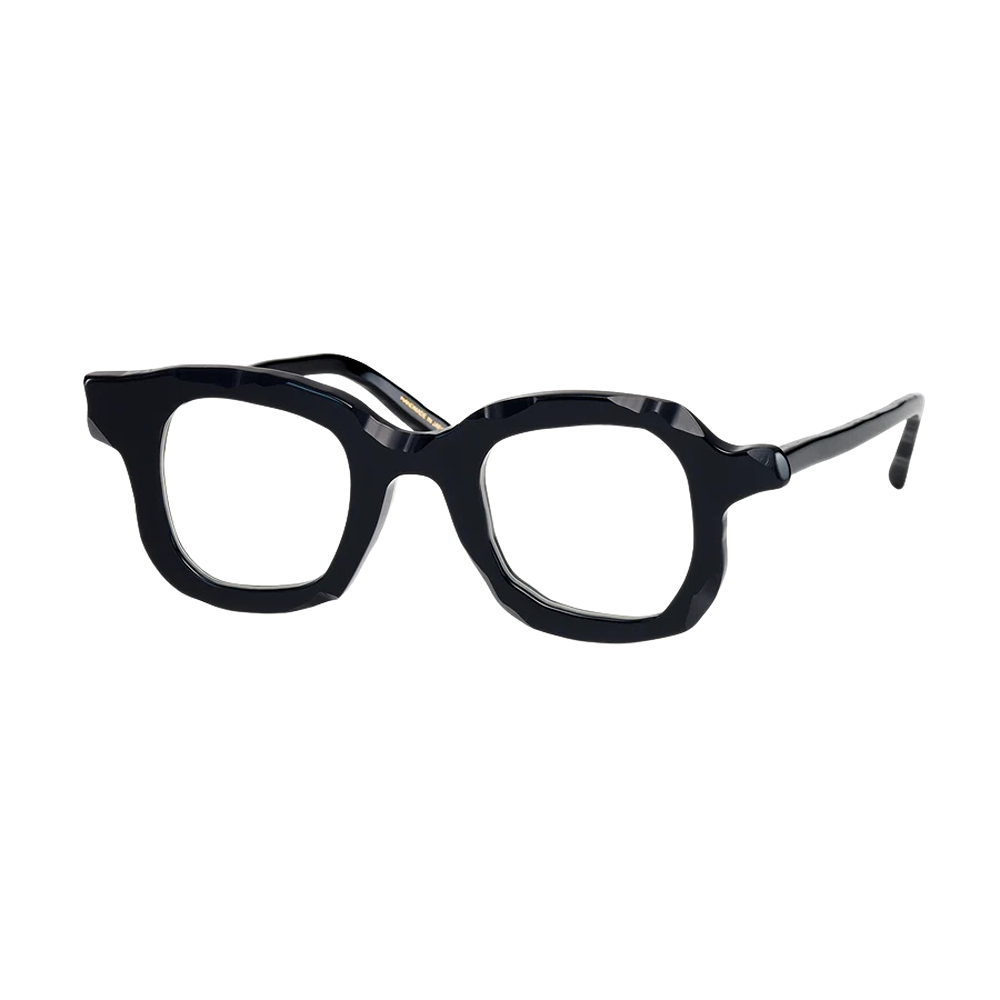
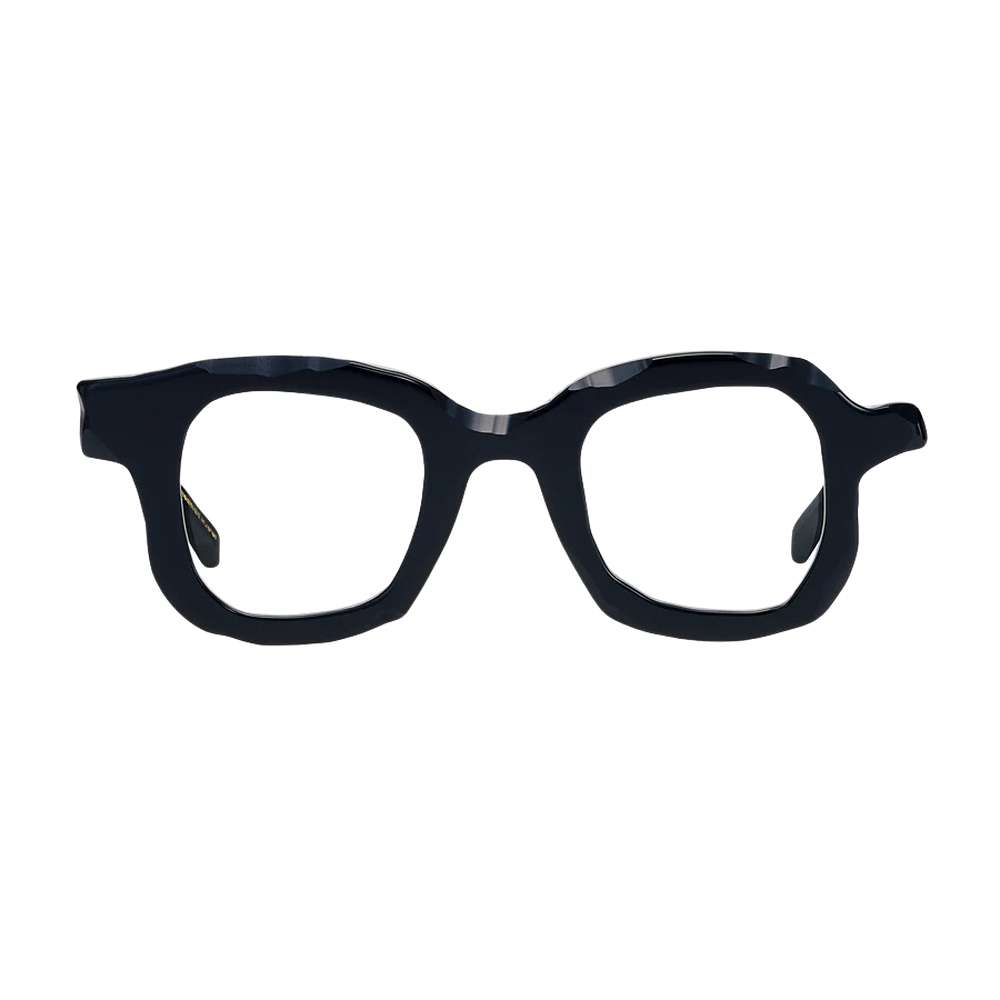
In the world of eyewear, where symmetry and precision have always been considered synonymous with perfection, Masahiro Maruyama deliberately chooses another path. The Japanese designer founded his brand in 2011 and built his identity around a concept as simple as it is radical: "Unfinished Art." The goal is not to eliminate imperfection, but to transform it into beauty, challenging the very idea of perfection.
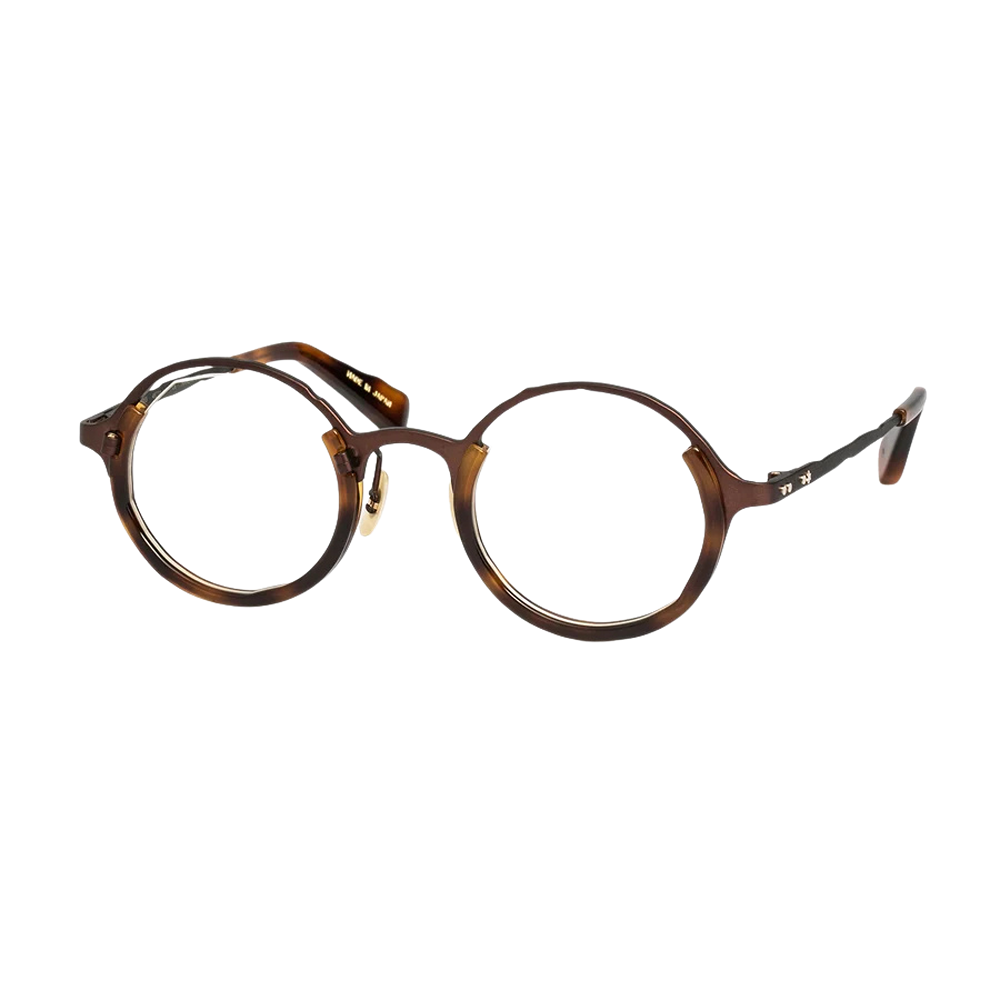
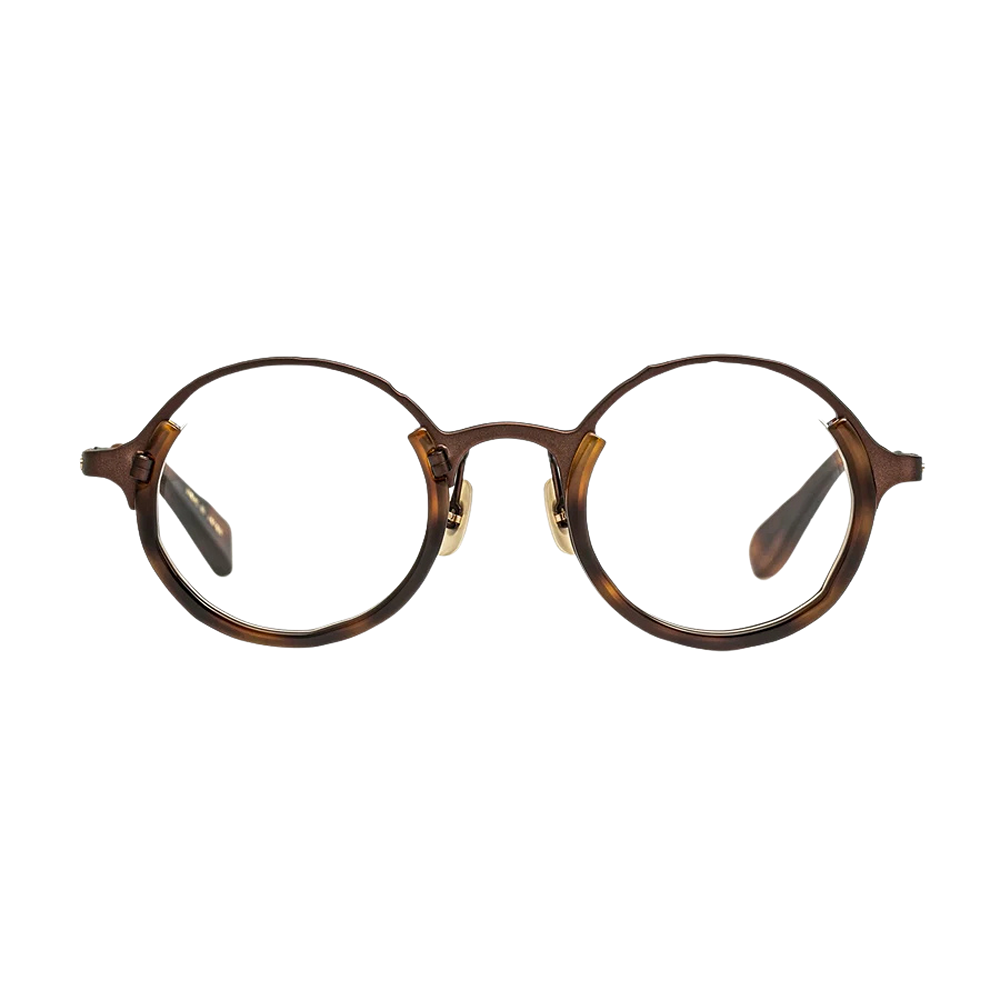
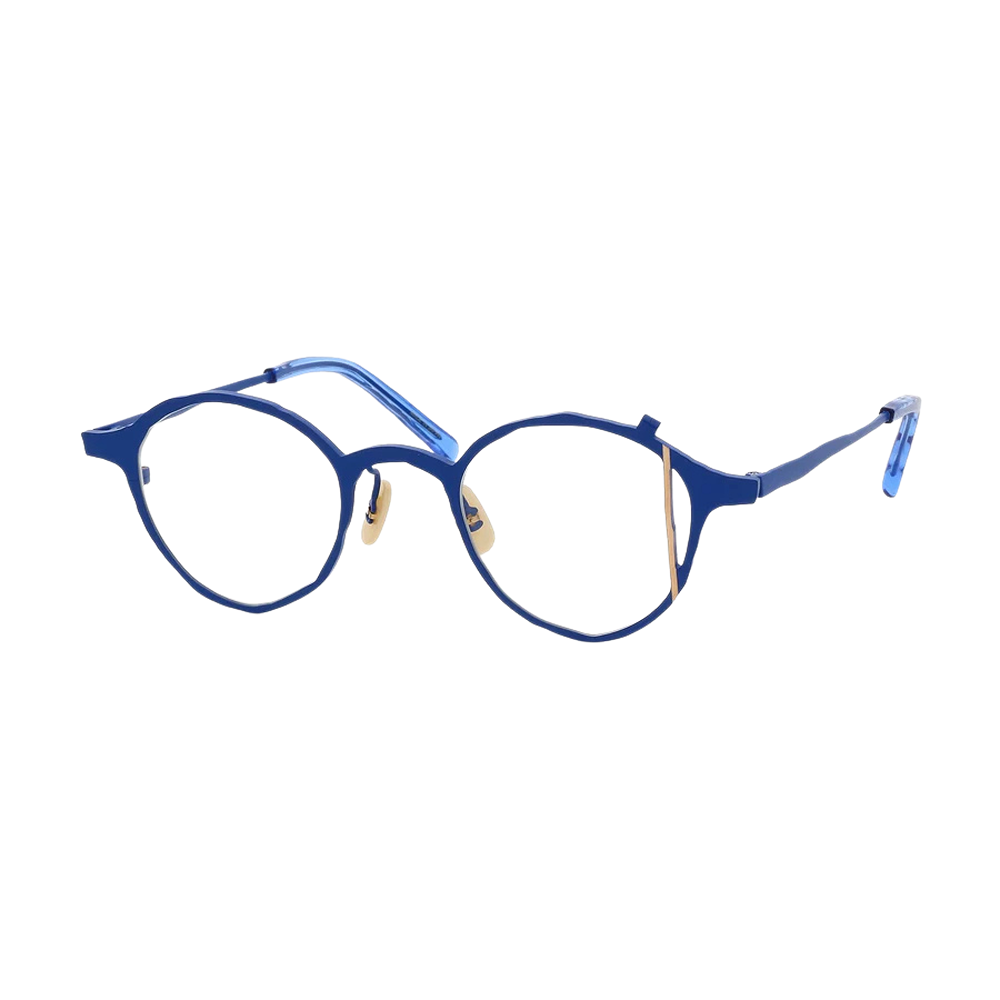
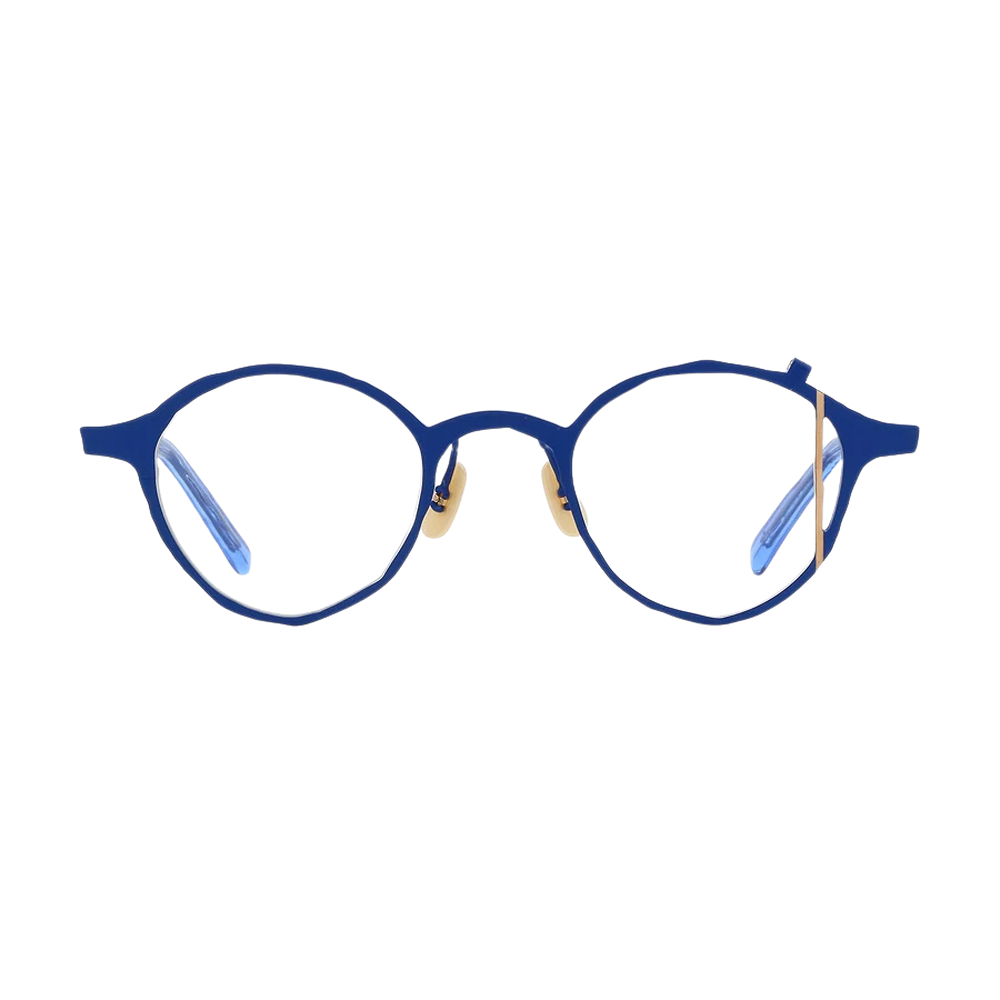
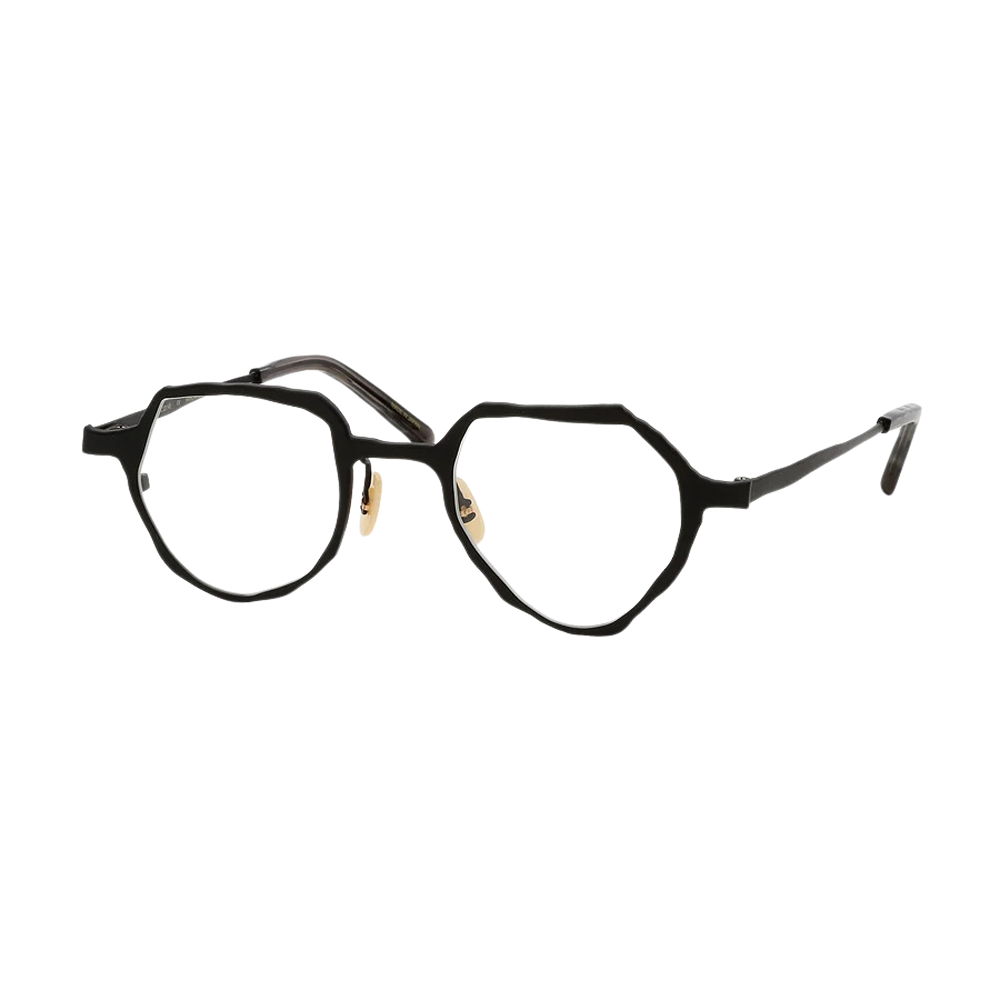
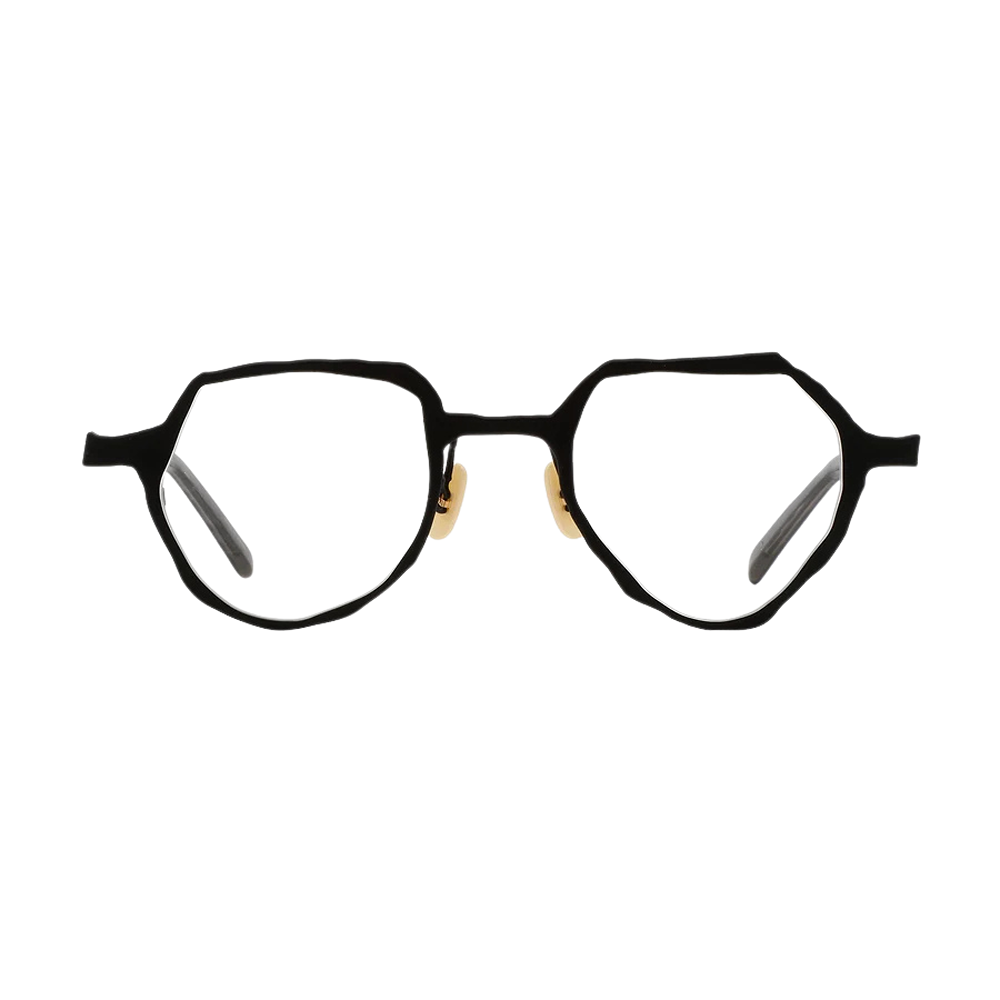
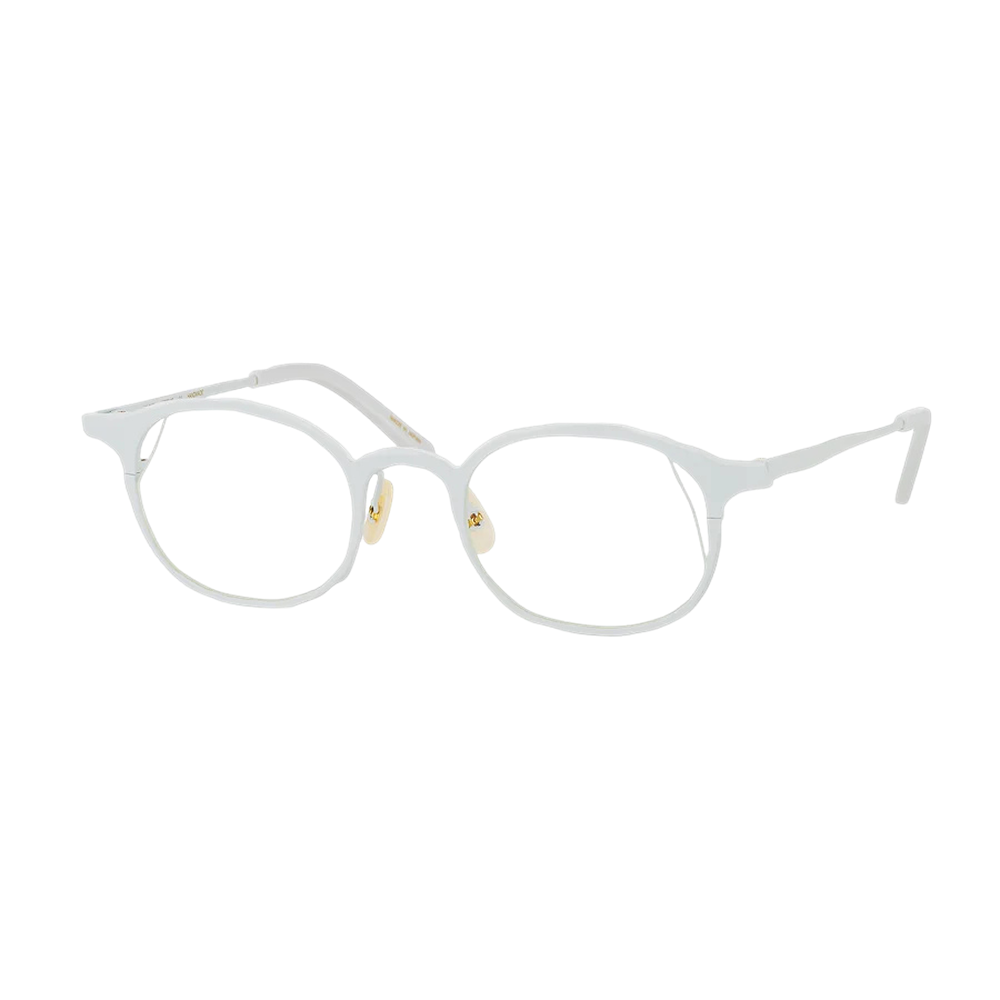
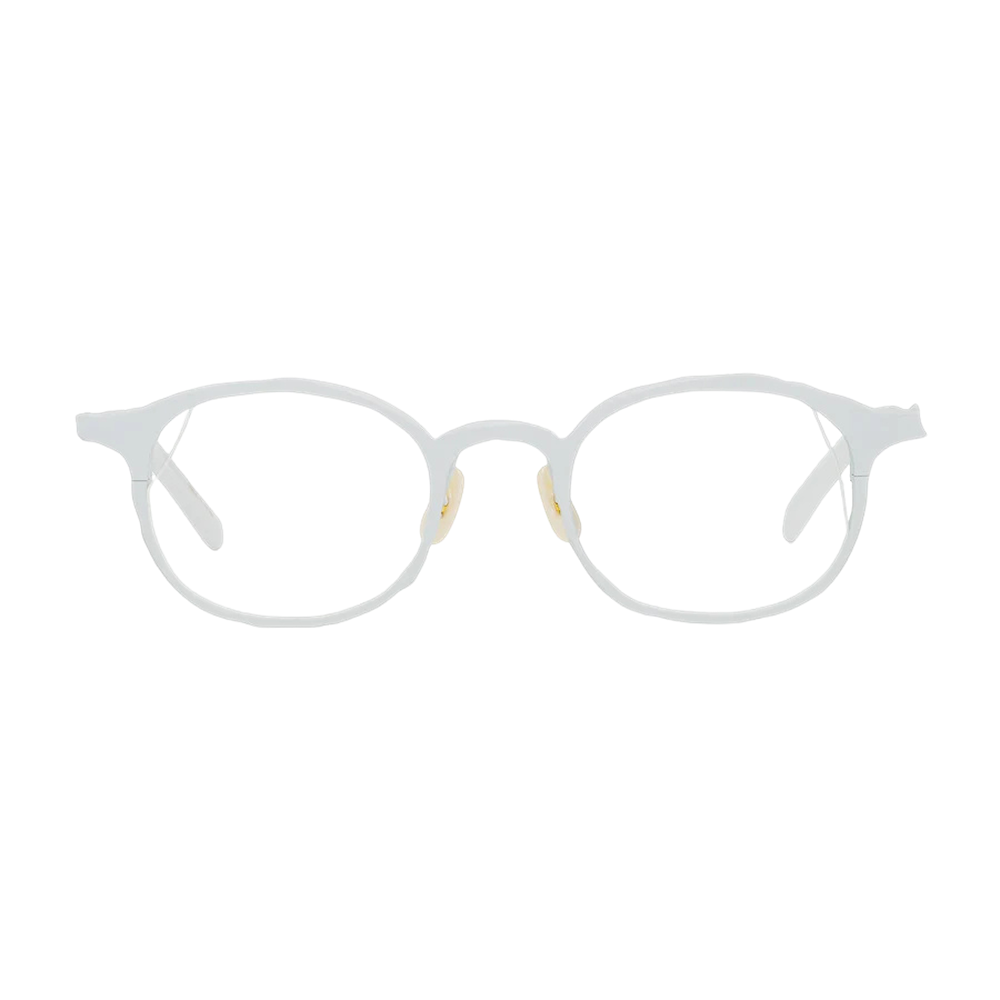
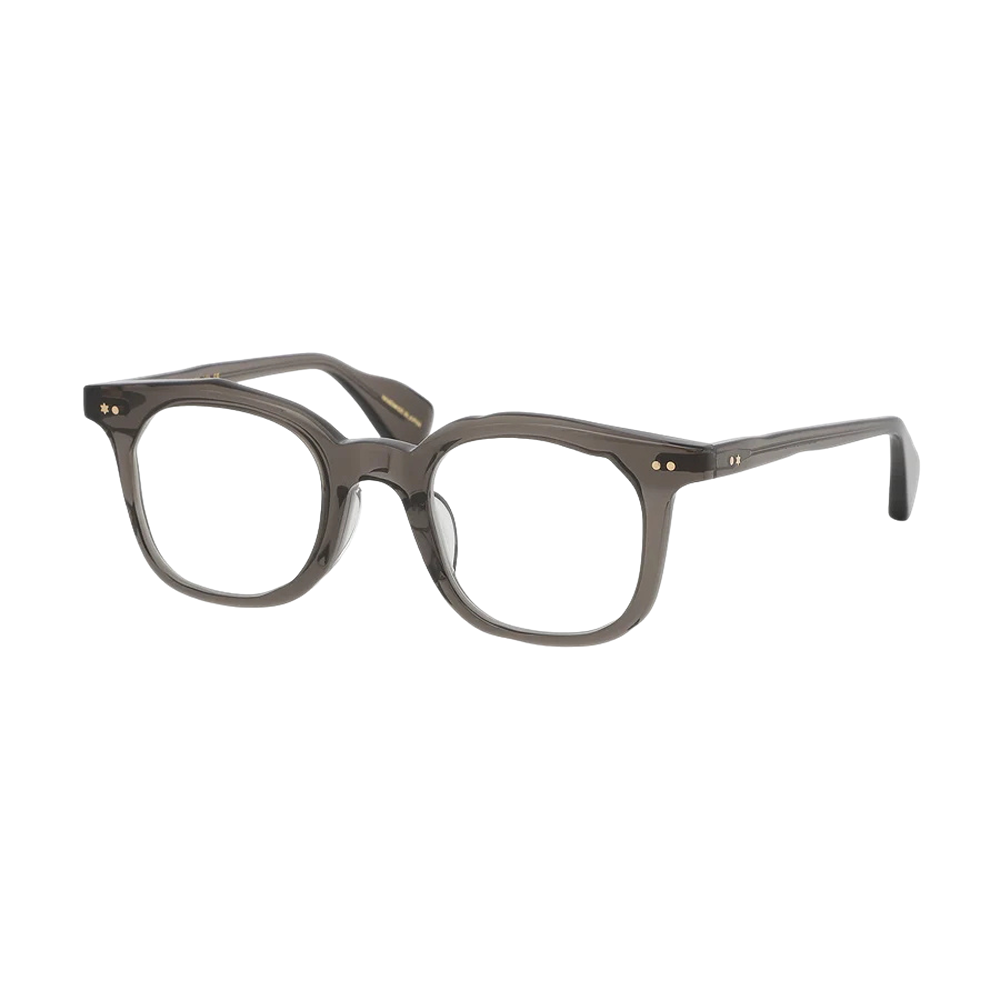
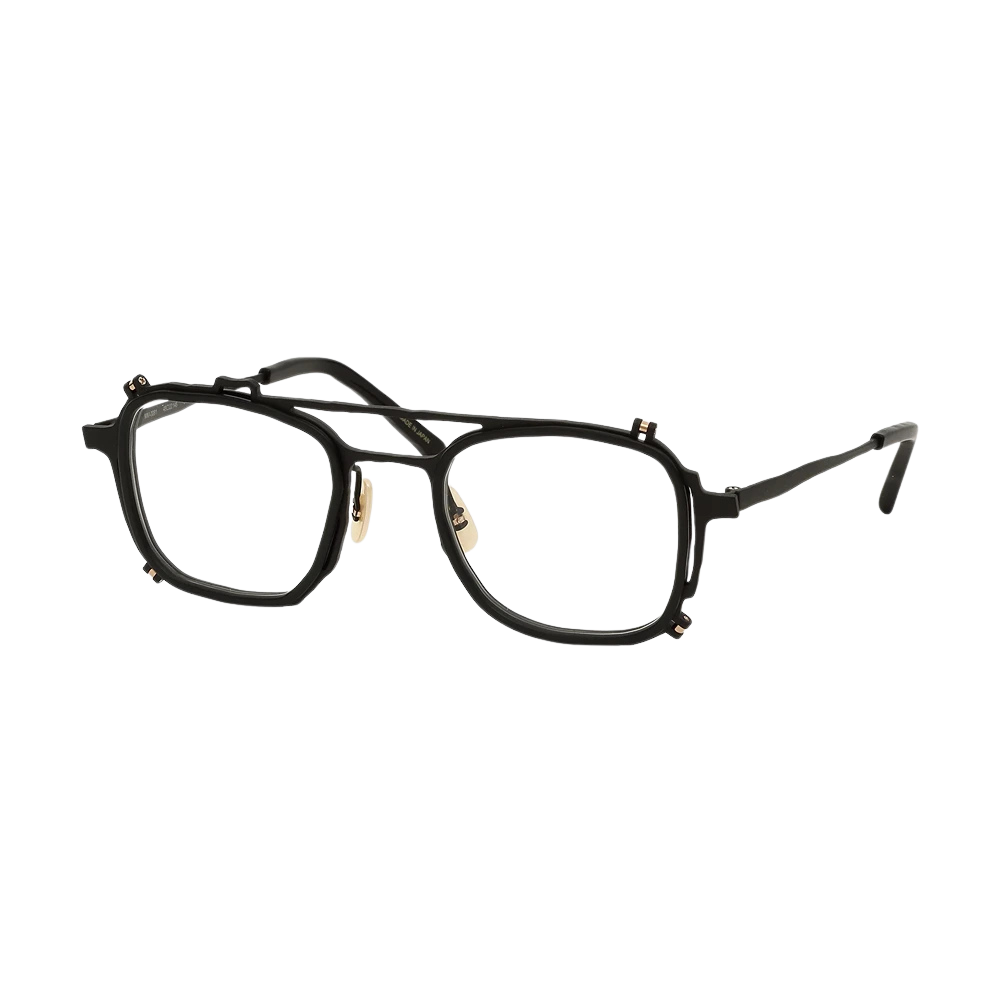
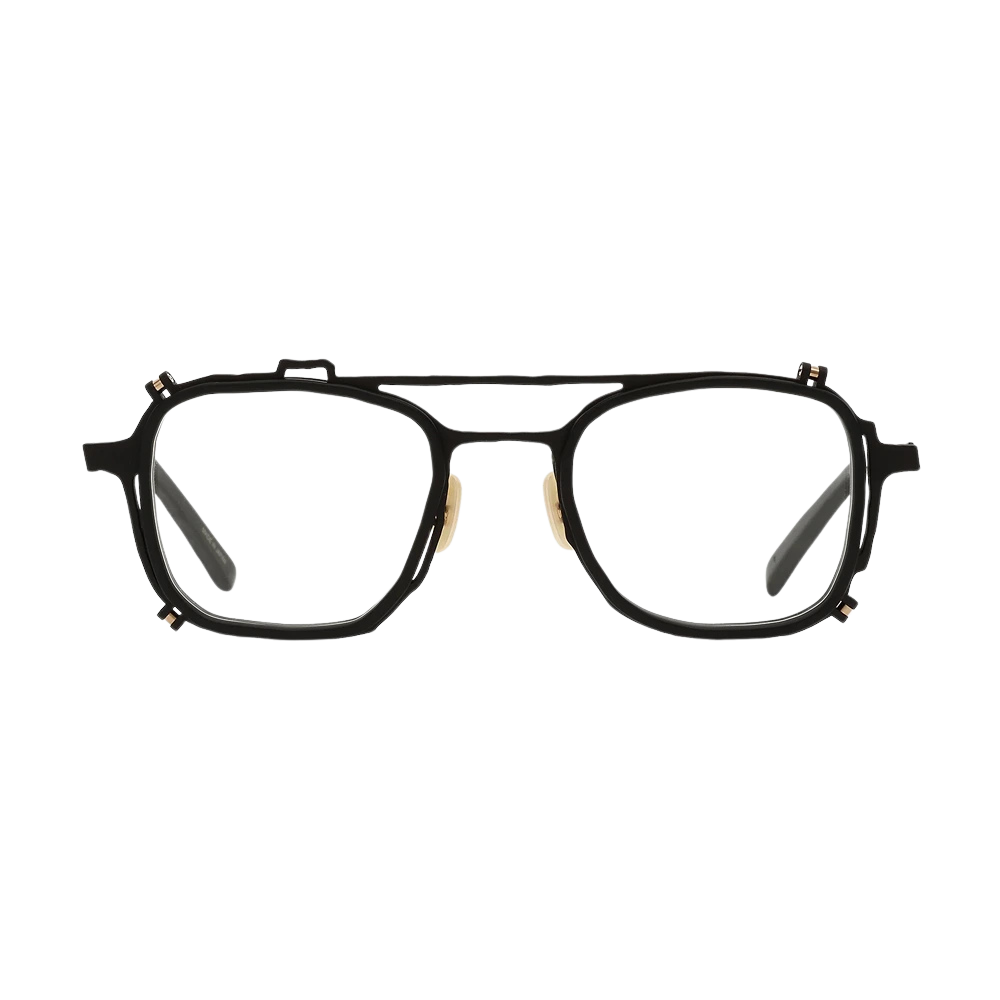
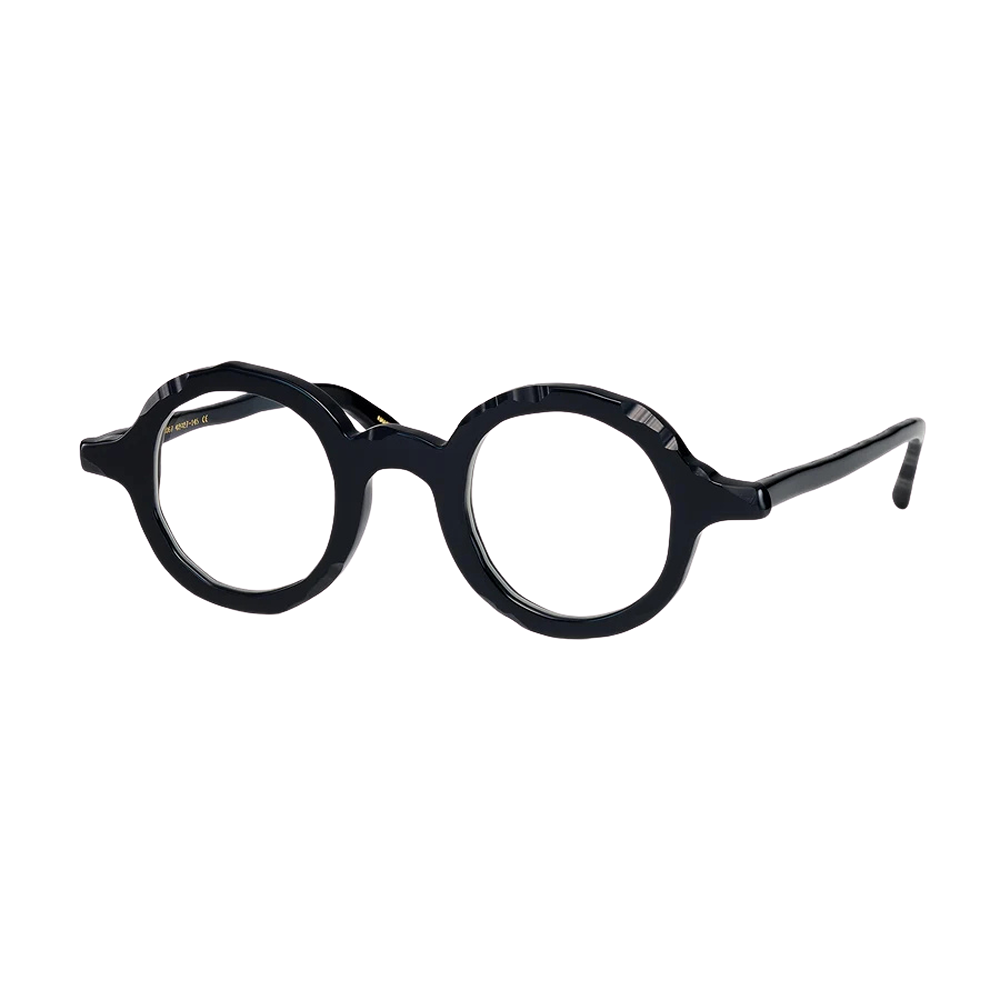
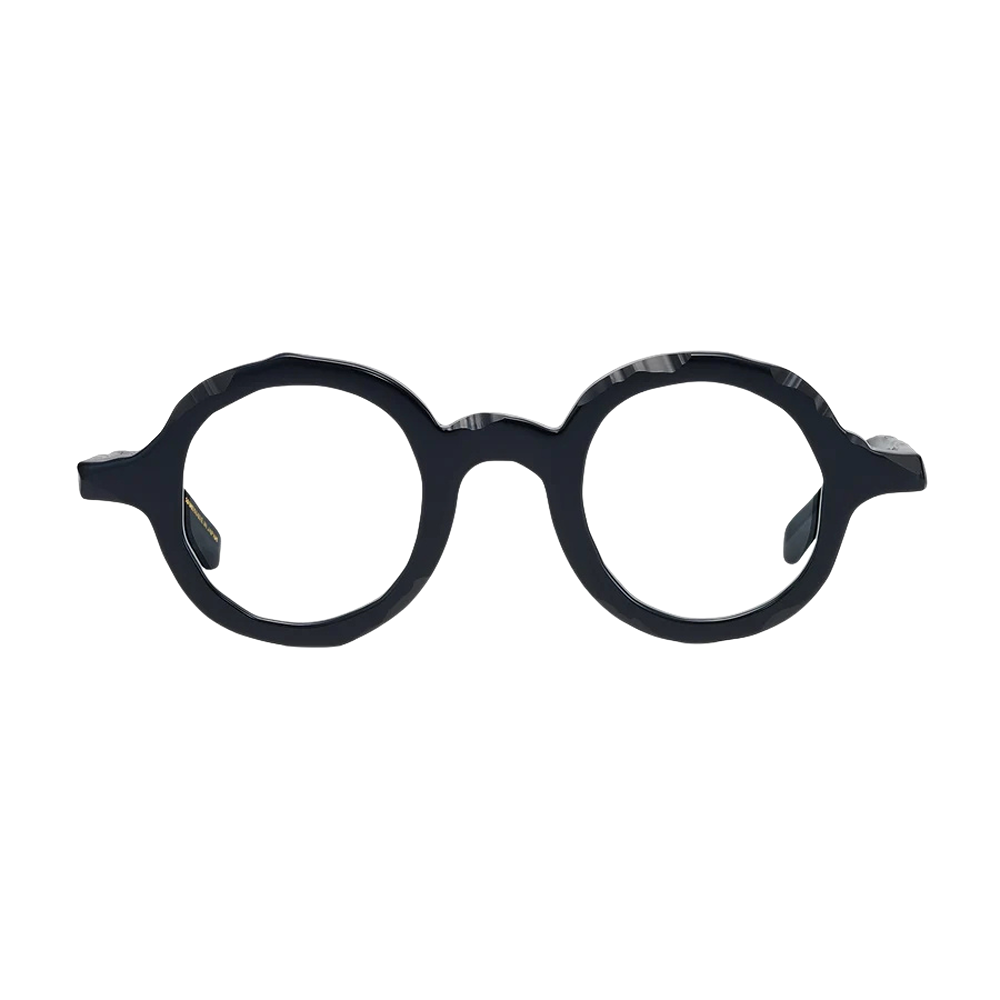
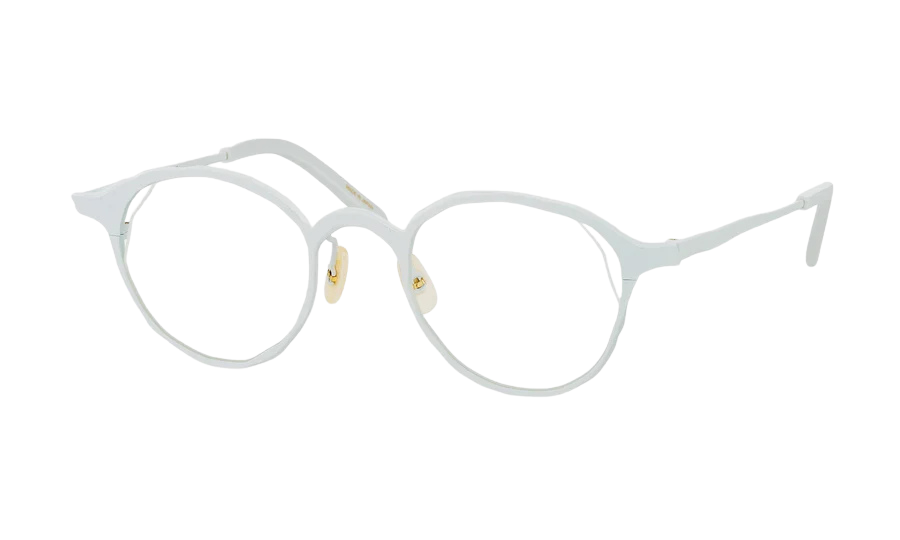
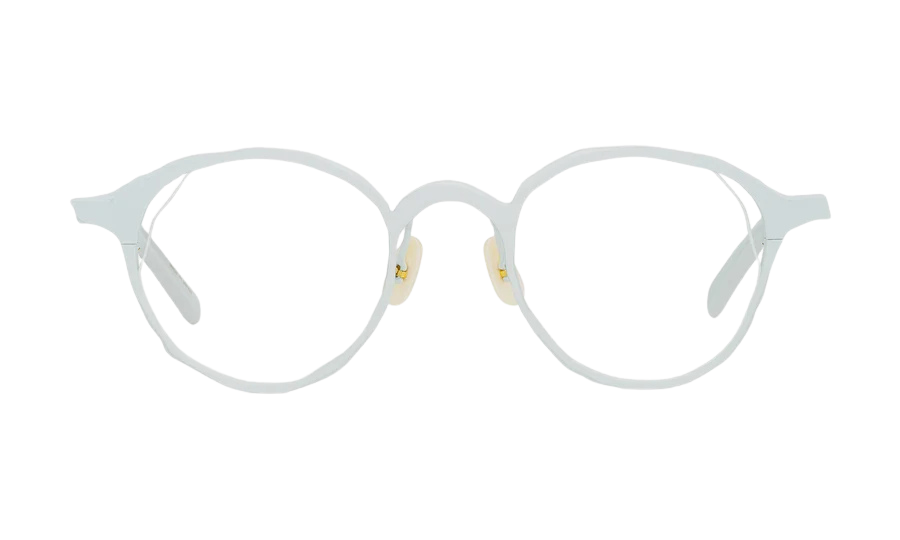
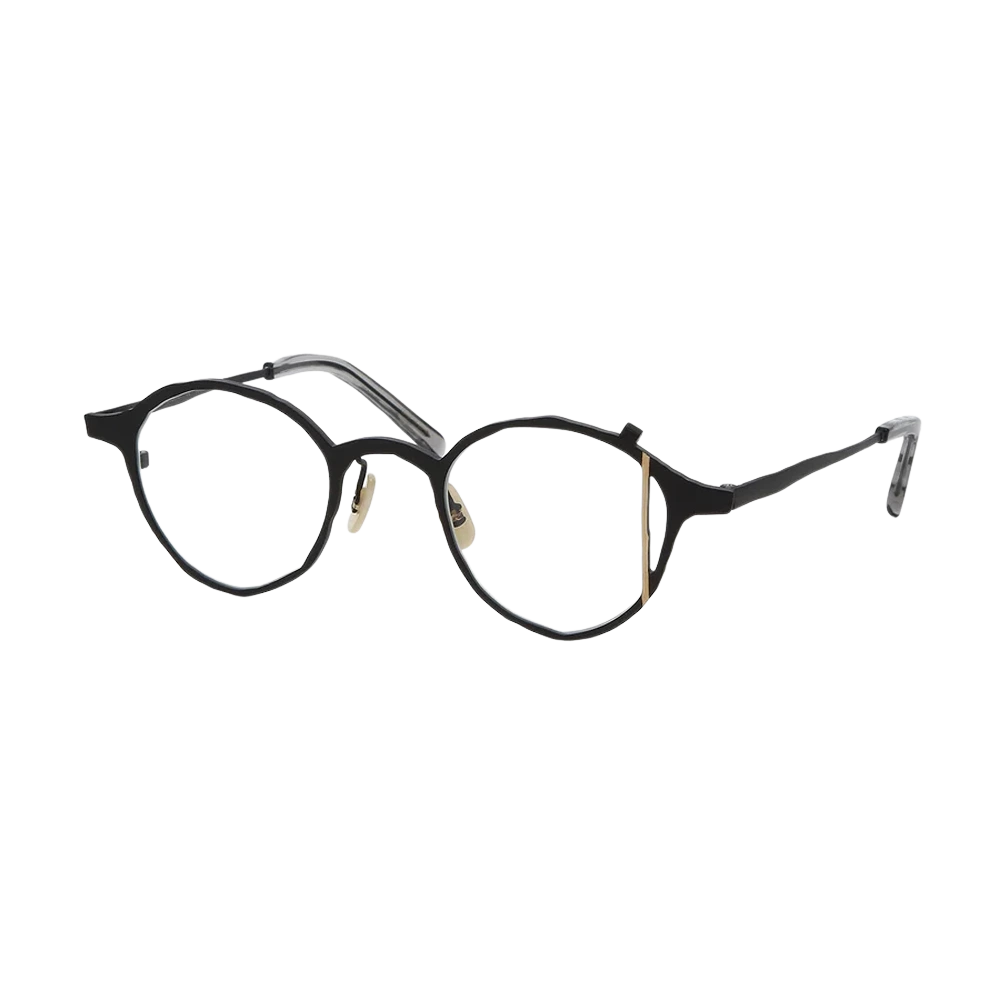
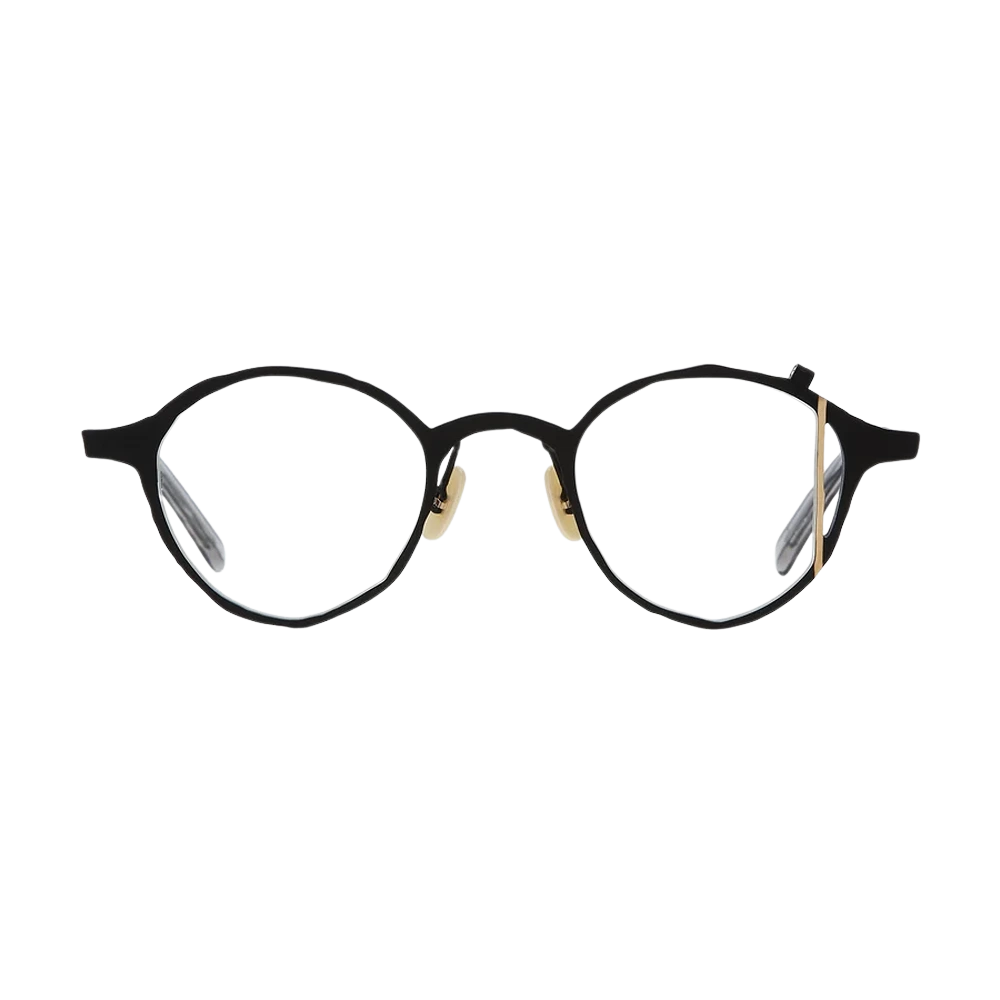
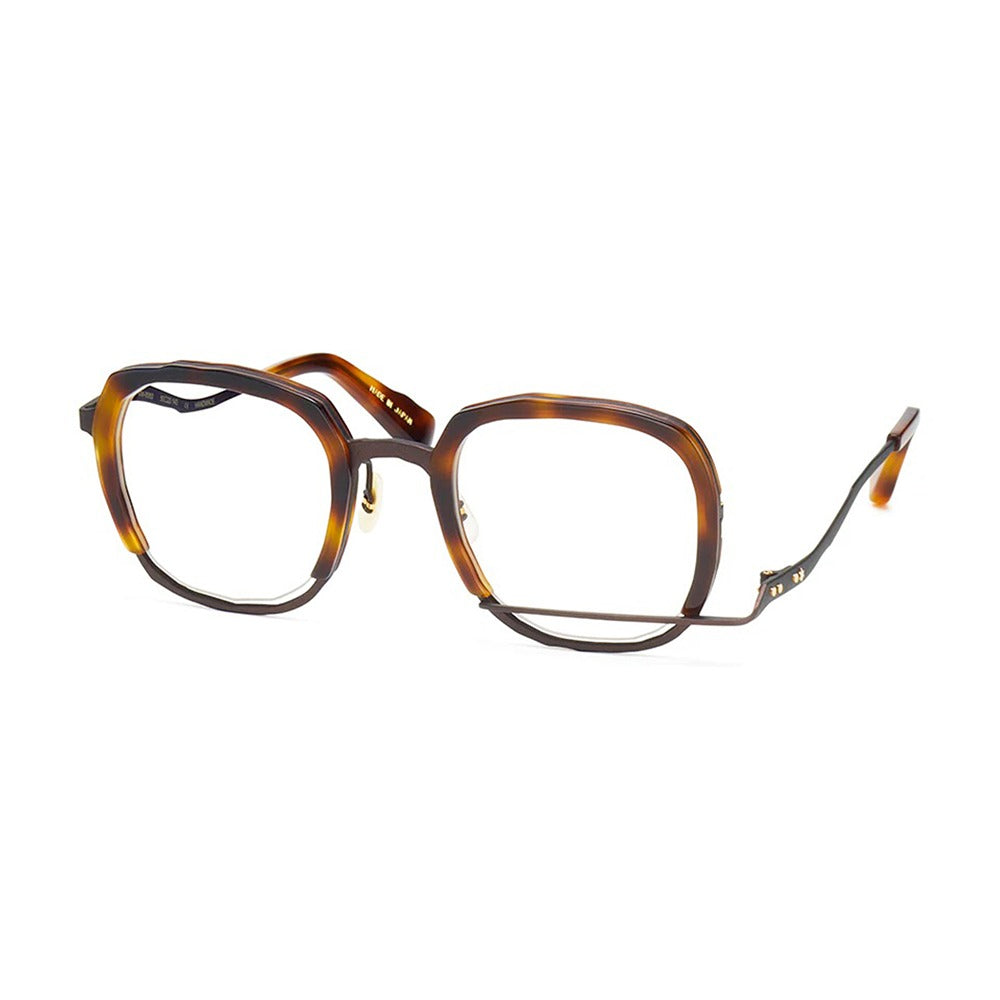
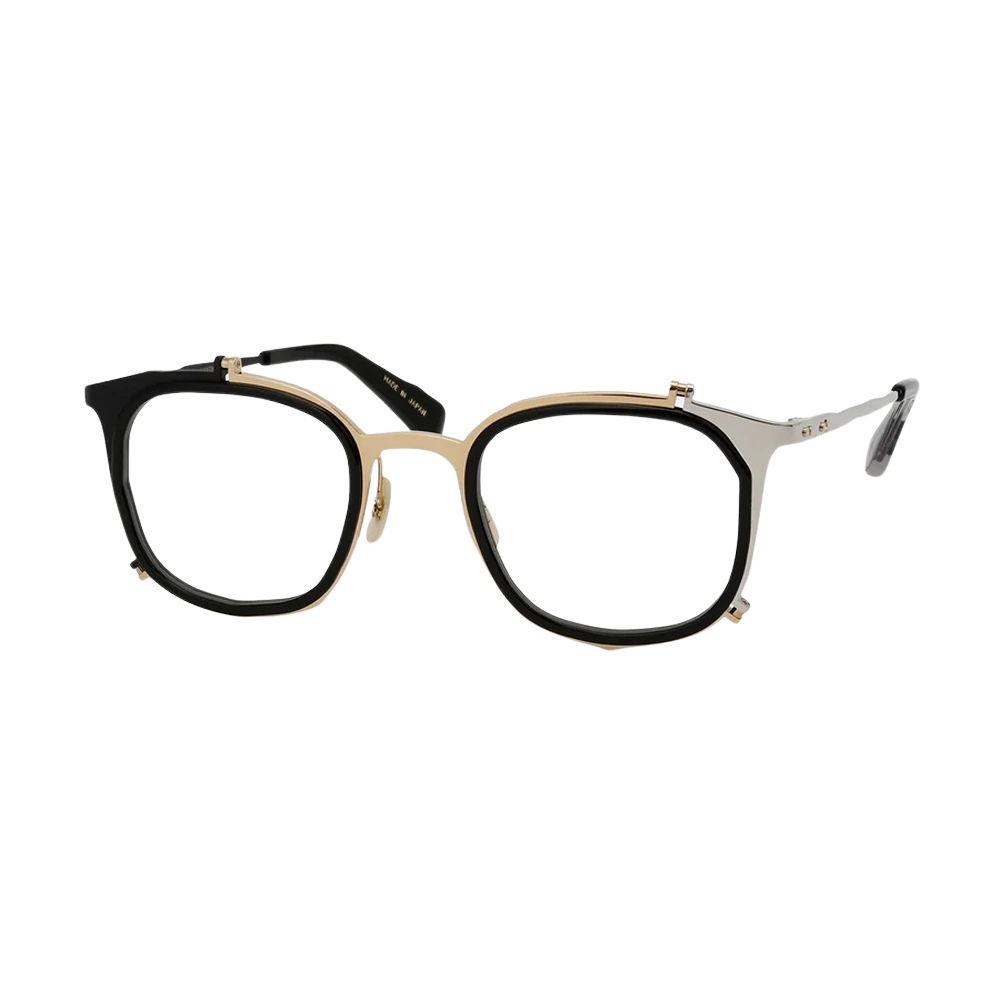
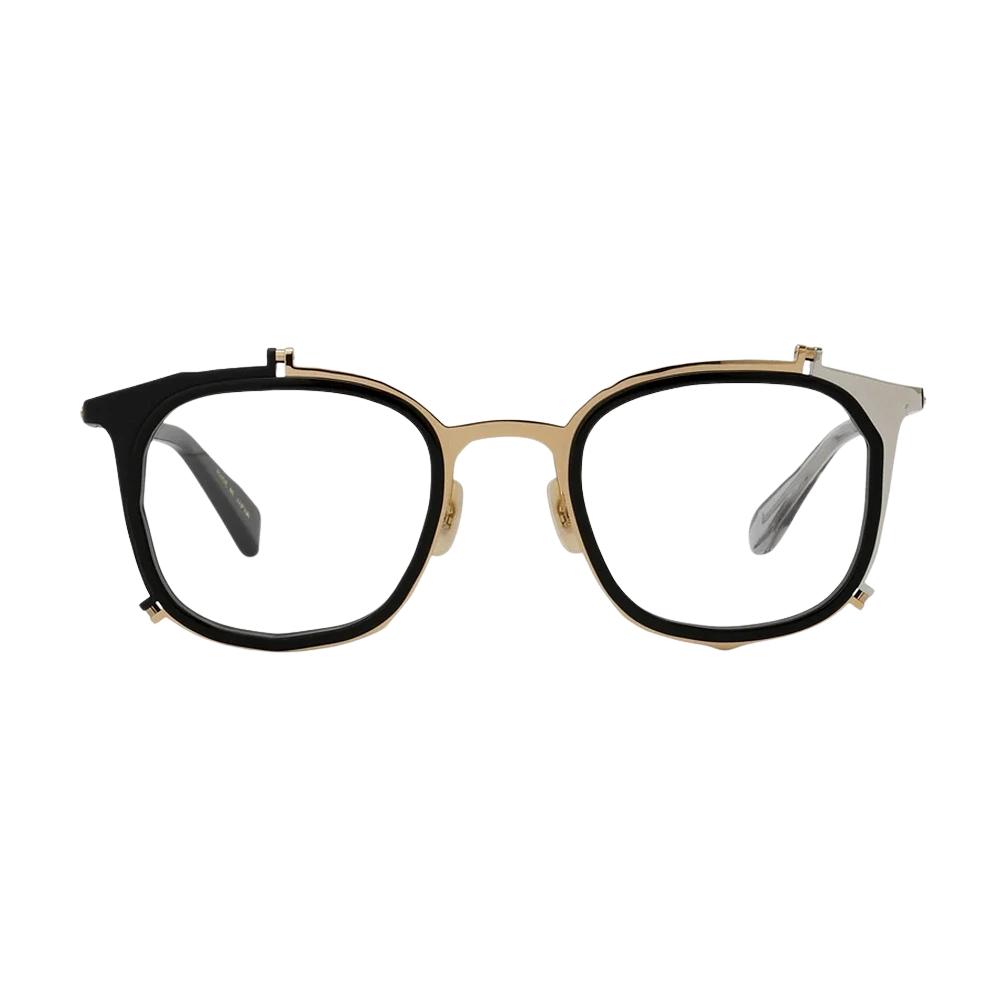
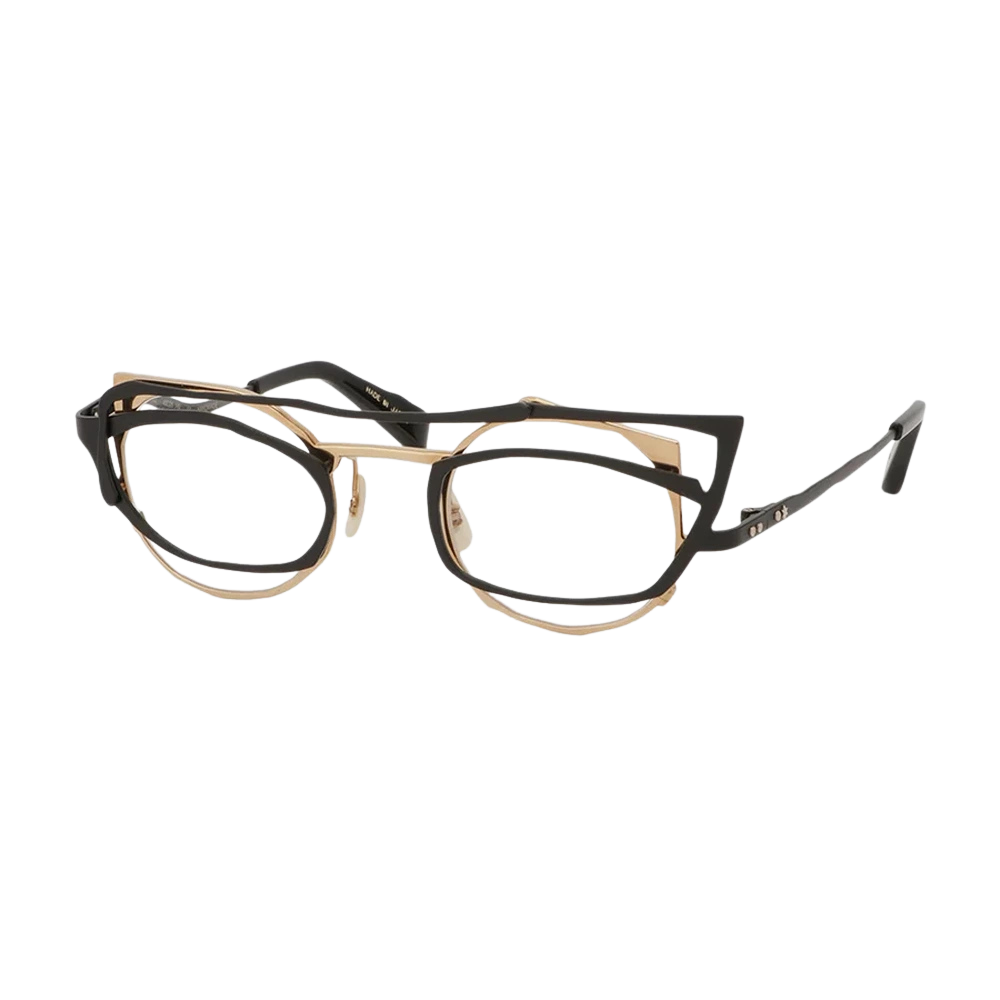
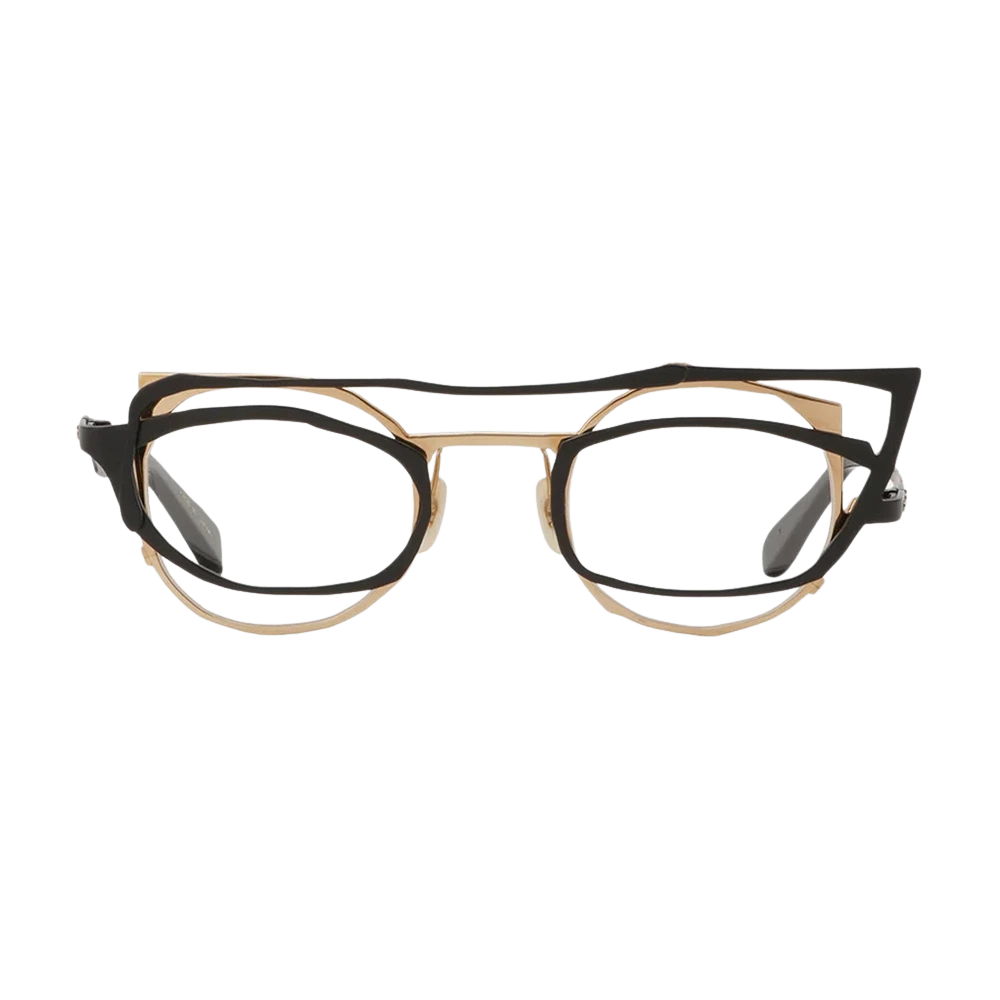
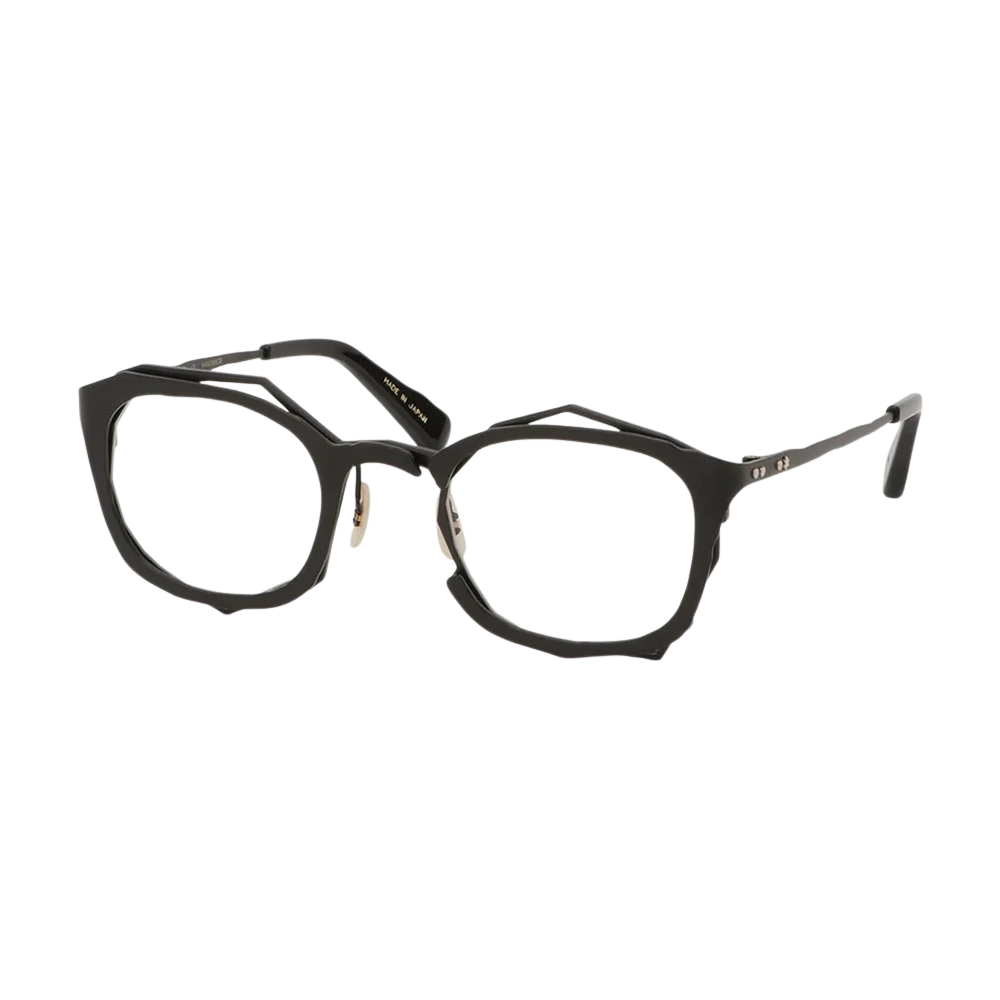
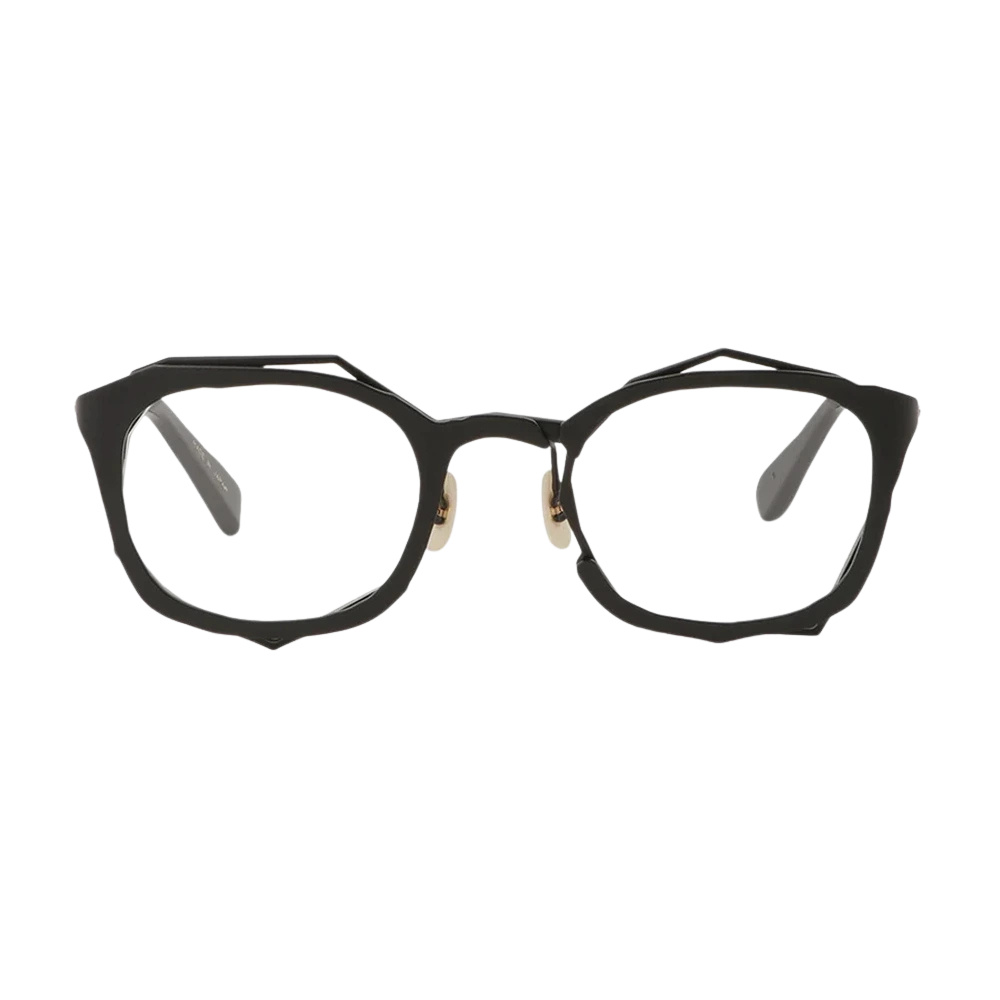
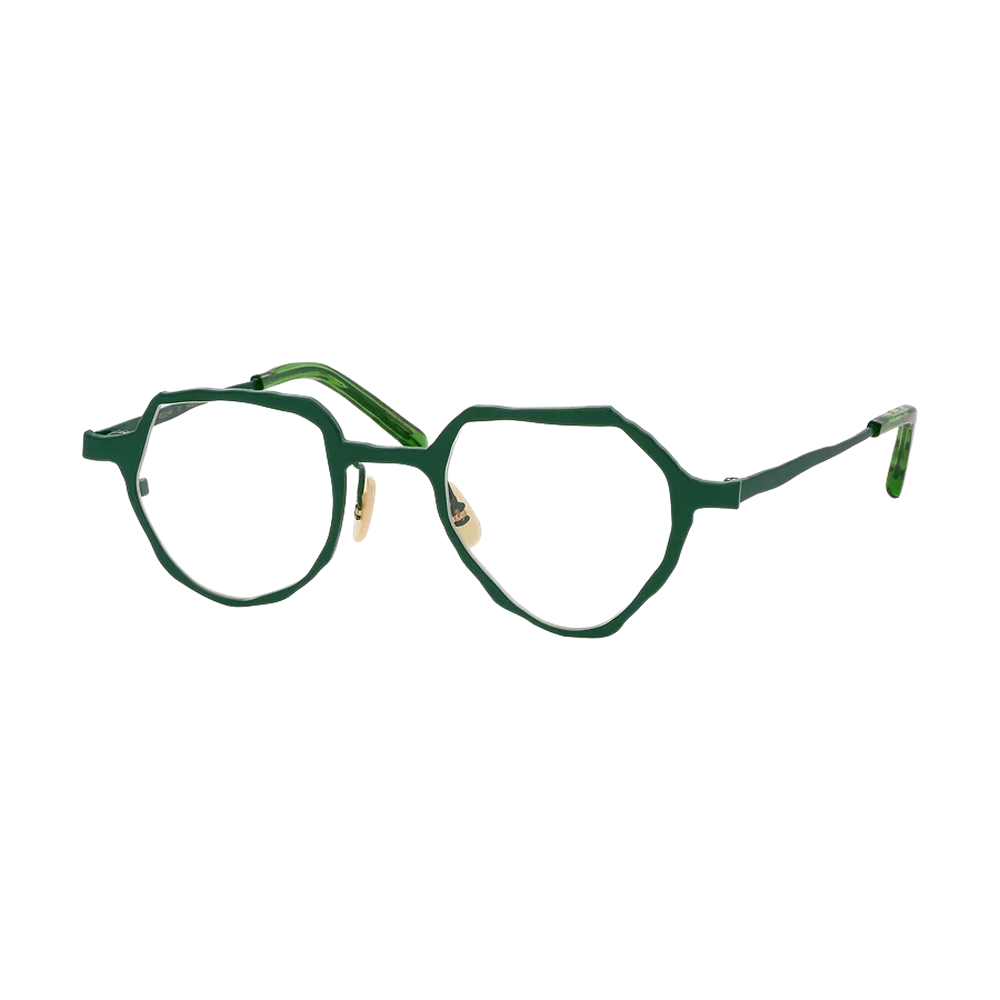
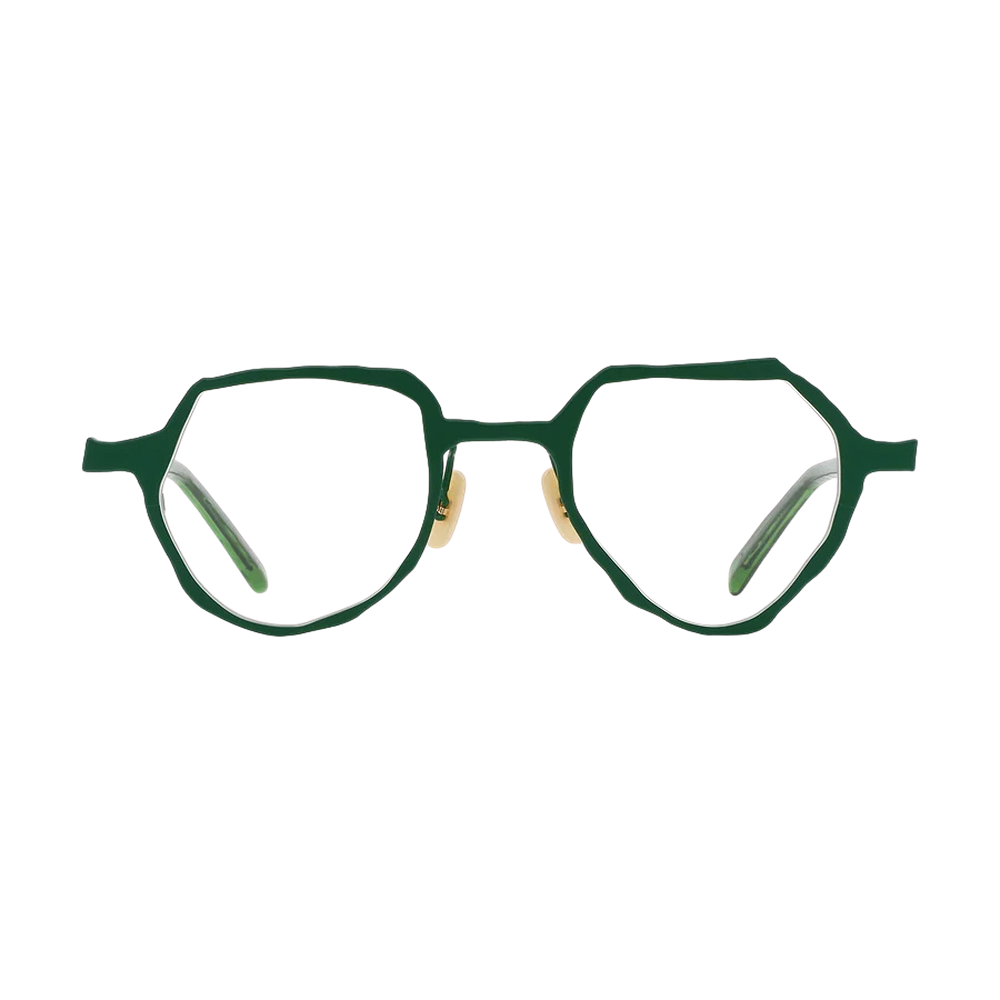
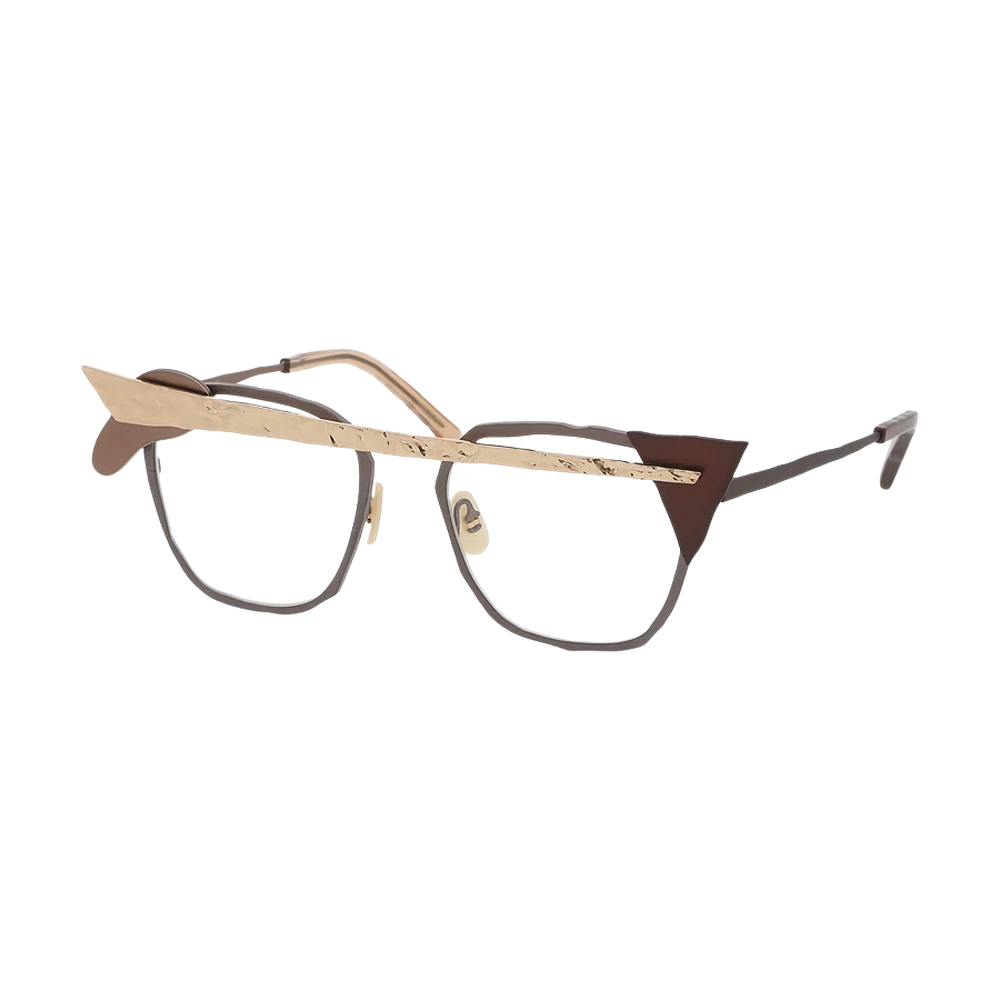
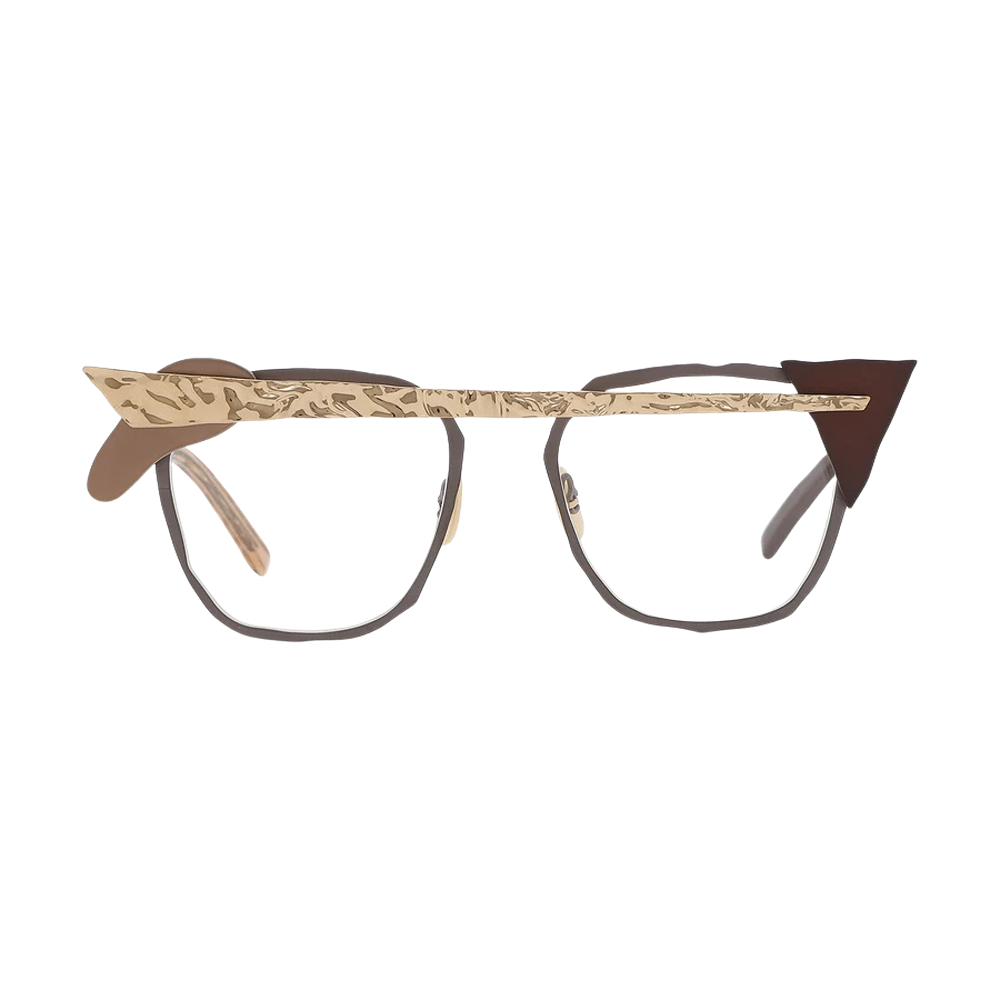
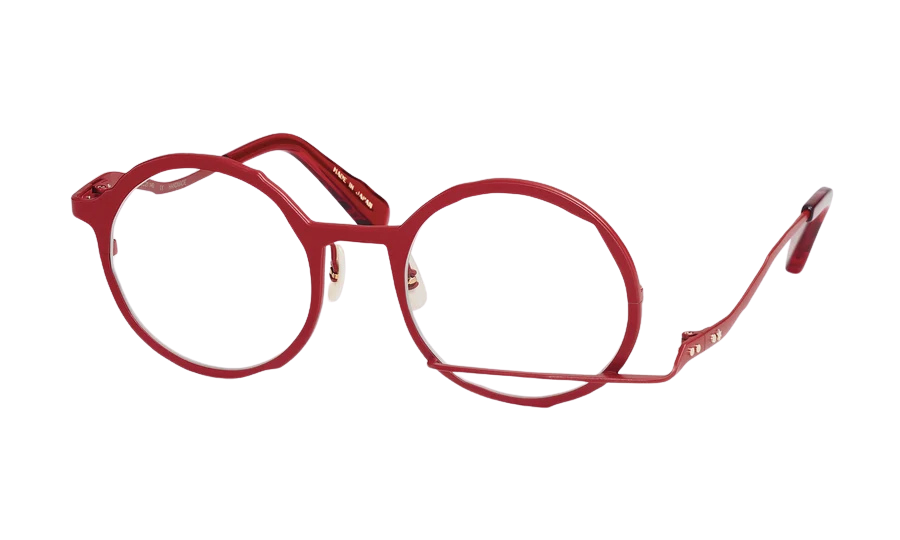
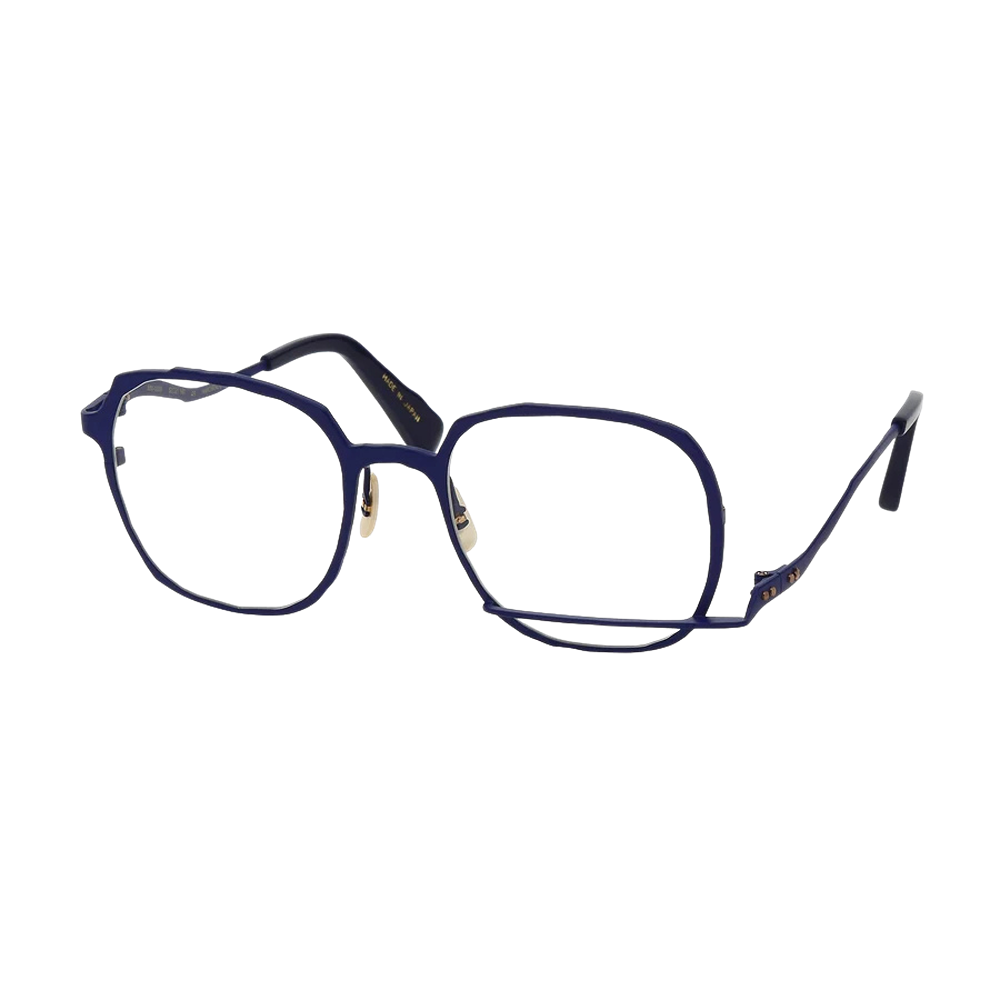
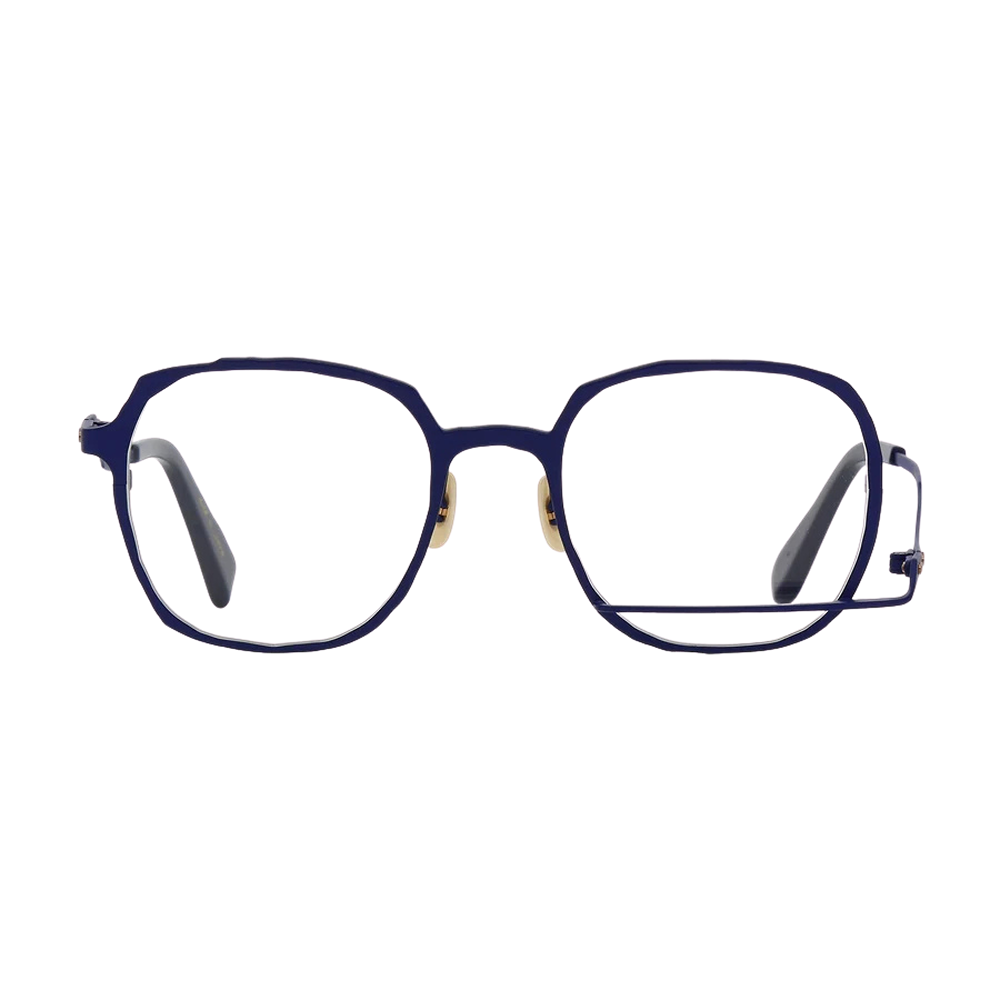
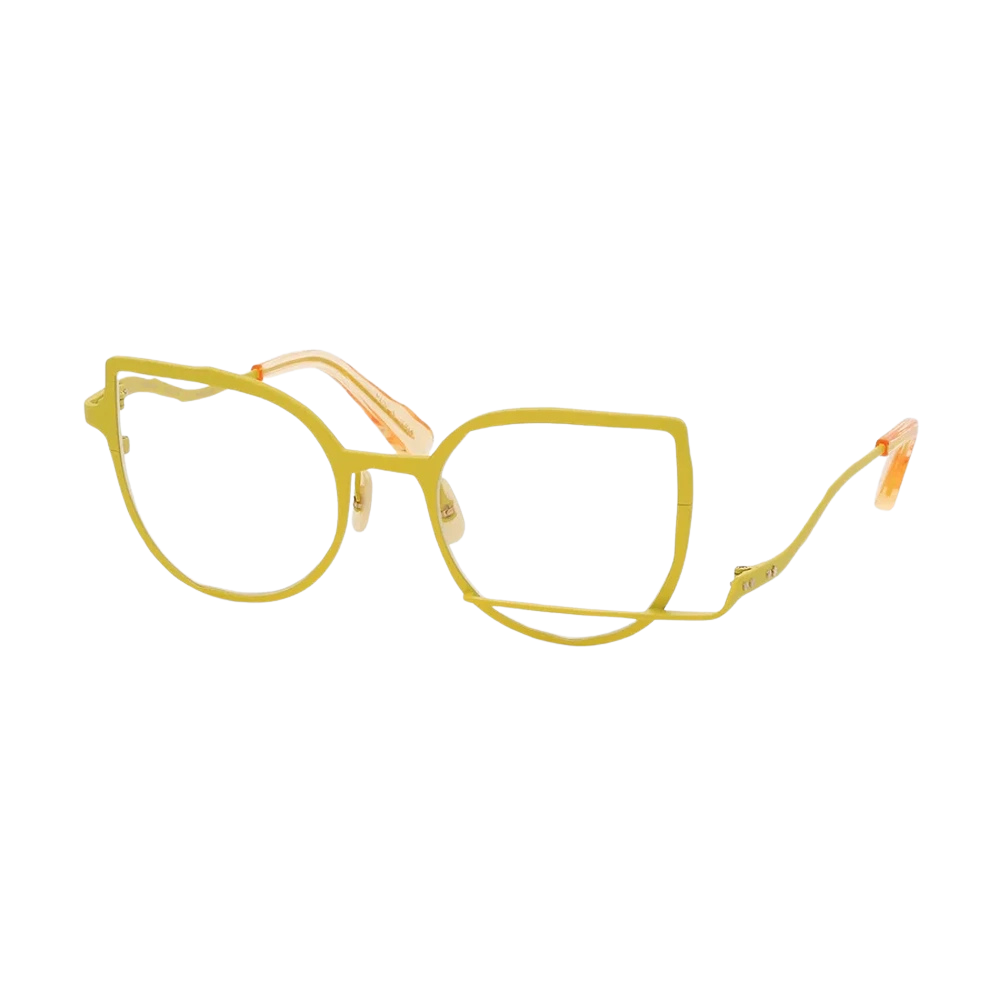
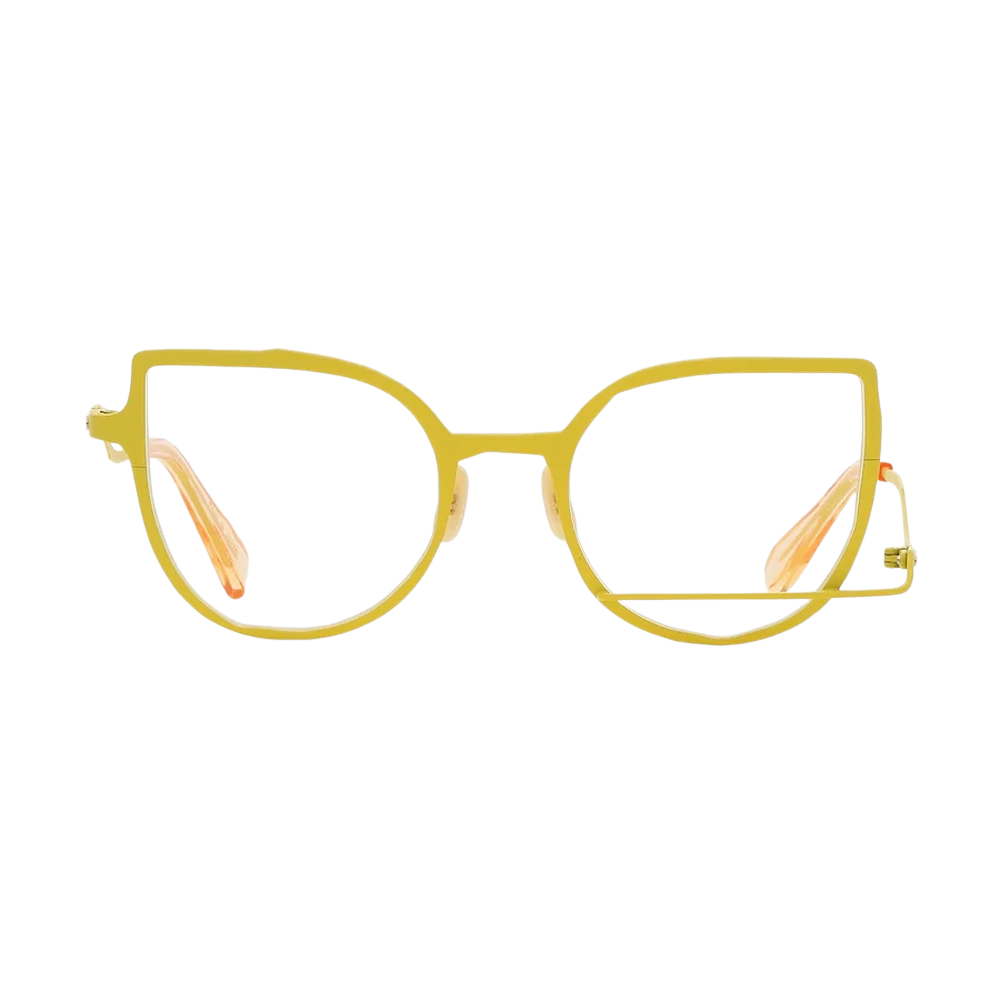
Masahiro Maruyama frames often seem to have emerged directly from the designer's hand, before the drawing is corrected, cleaned up, and rendered perfectly symmetrical. Lines that do not coincide, profiles that break off, incomplete circles, elements seemingly out of place, and differences between the left and right sides thus become an aesthetic signature. The first collection, Dessin, was born precisely from the gesture of freehand drawing: the preliminary sketch, normally just one phase of the creative process, becomes the final product.
From this philosophy come collections that each time explore a different form of imperfection. Doodle transforms scribbles and instinctive lines into structure; Erase imagines parts of the drawing erased and subsequently redrawn; Broken starts from the idea of breaking a complete form and rebuilding it; Sculpt draws inspiration from the traces and irregularities left during the sculpting process; Step overlaps elements like small three-dimensional blocks.
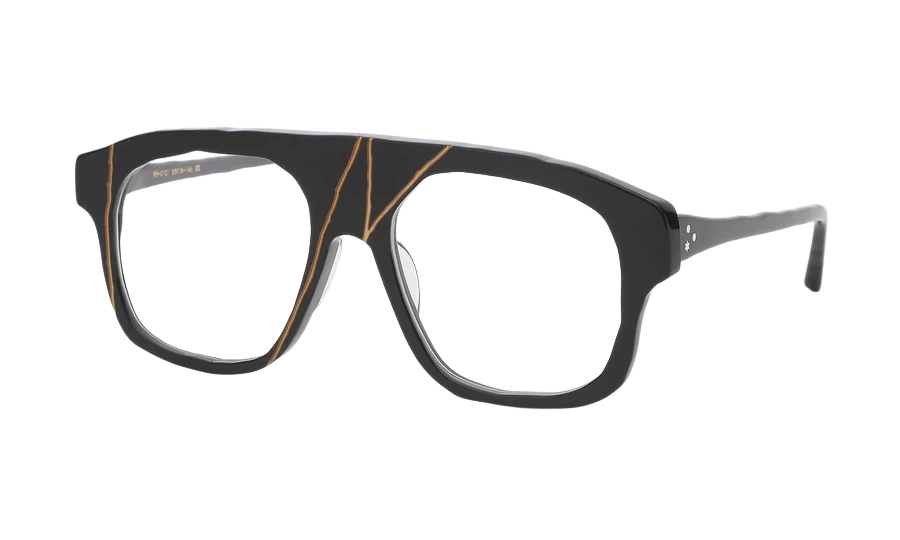
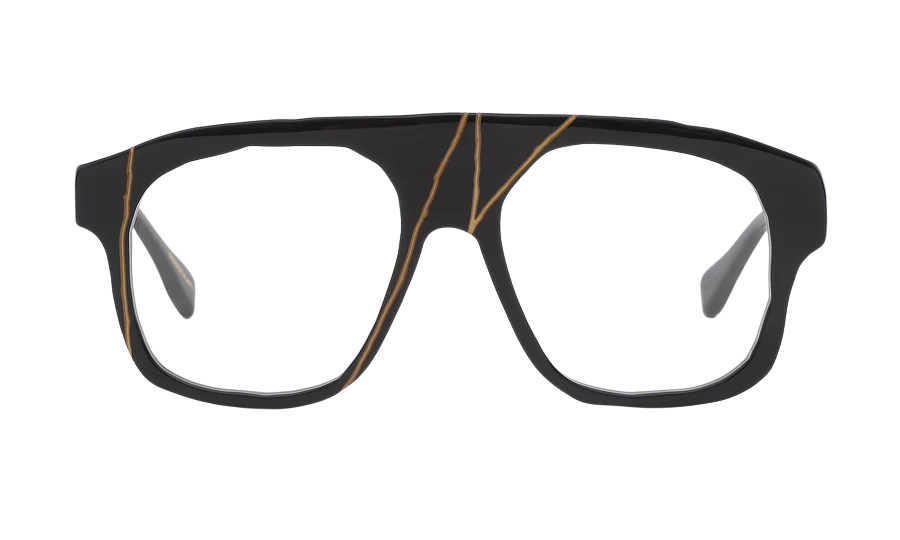
Particularly representative of the brand's Japanese sensibility is Kintsugi, inspired by the traditional technique in which broken pottery is repaired by highlighting its fractures rather than hiding them. In Maruyama frames, those "scars" become lines and inserts that intentionally interrupt the structure of the eyewear: what would normally be considered a defect becomes the point upon which to focus the gaze.
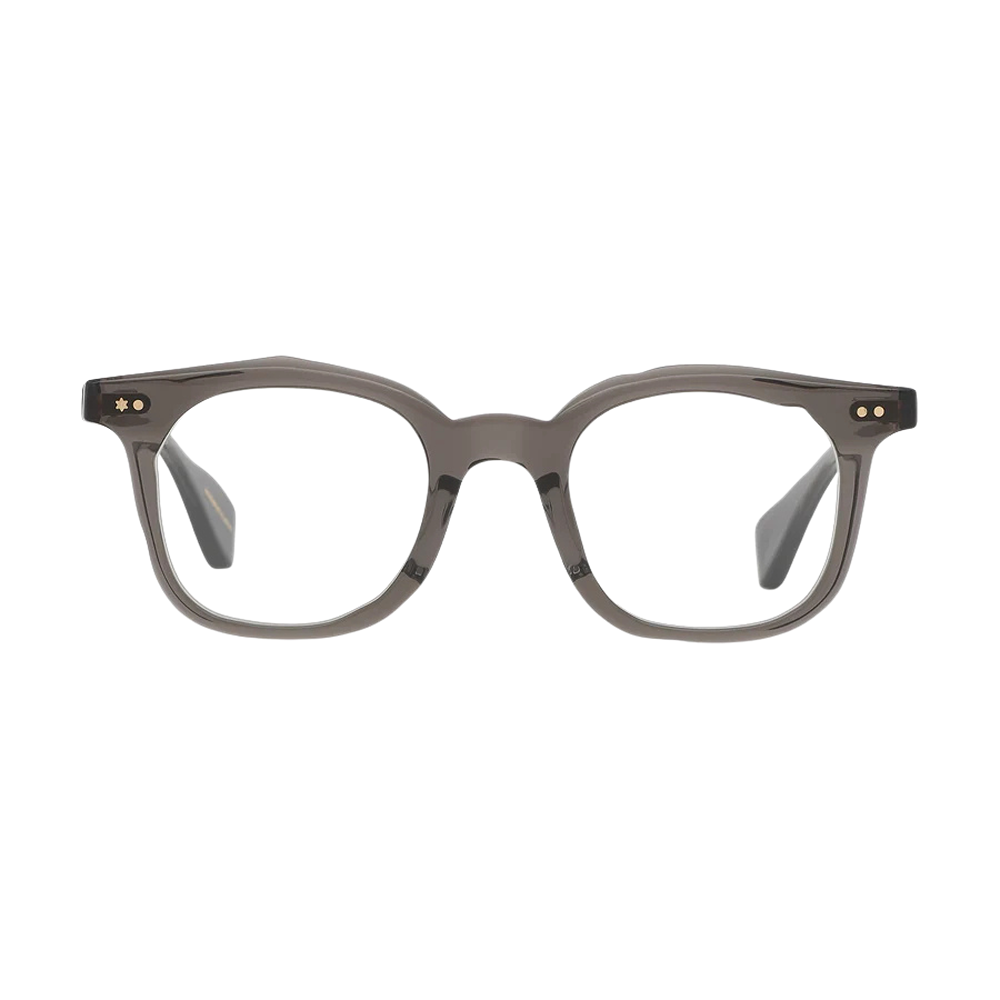
Behind an apparently spontaneous aesthetic, however, lies an extremely precise construction. Many models use pure titanium, β-titanium, and acetate, with craftsmanship carried out in Japan. It is precisely this contrast that makes Masahiro Maruyama recognizable: the visual freedom of the stroke meets the precision of Japanese manufacturing. The asymmetries are not accidental, but designed so that the eyewear maintains balance and functionality once worn.
Masahiro Maruyama does not simply design frames: he designs imperfection. Each pair of glasses deliberately retains something of the sketch, the gesture, and the process that generated it. It is precisely what seems to be missing, interrupted, or in the "wrong" place that gives it identity. A deeply Japanese and contemporary way of remembering that, sometimes, a work does not have to be perfect to be complete.